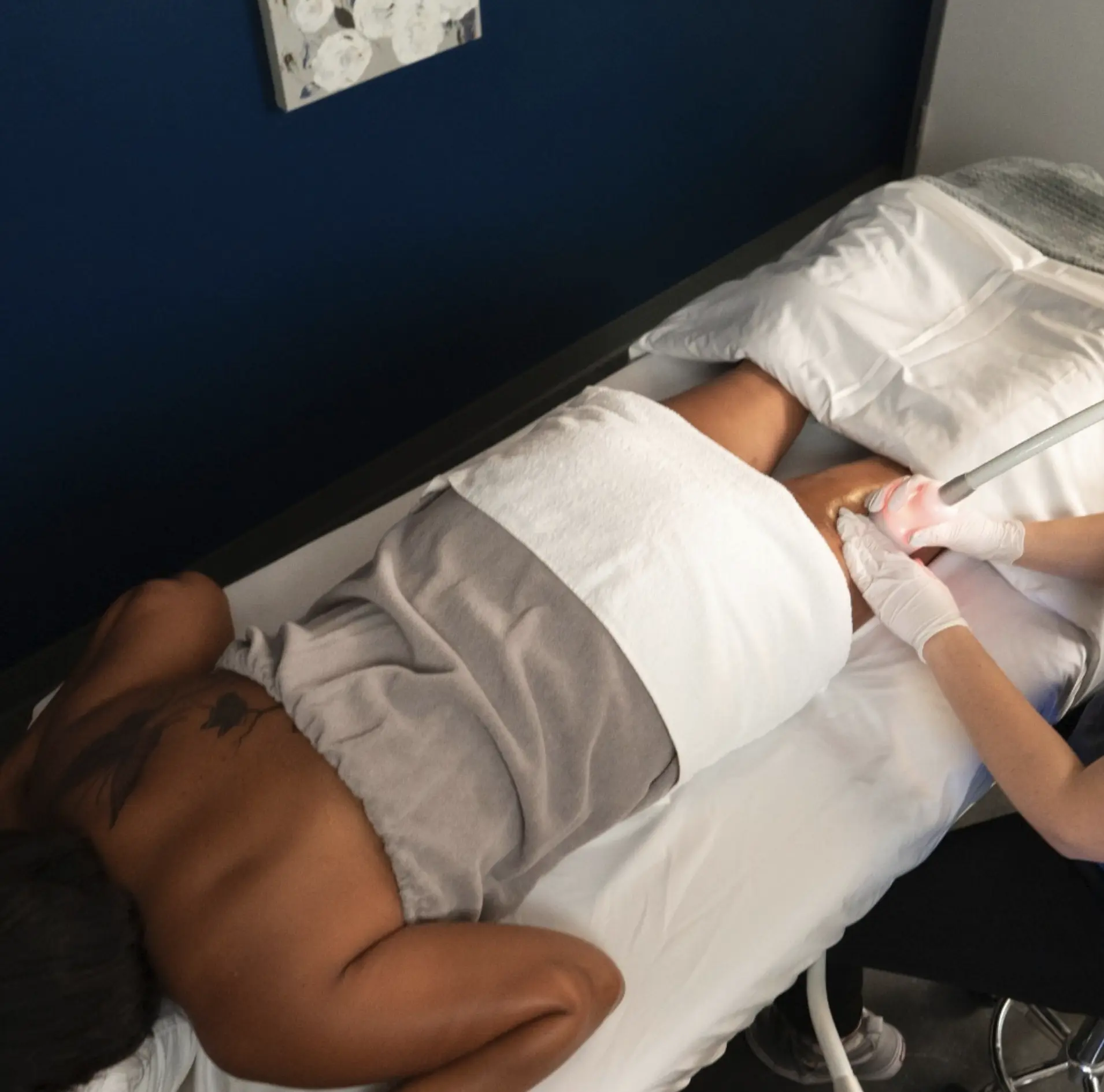
So you’ve asked yourself what makes tattoos fade quicker? I hear it all the time in the studio. Whether it’s a fresh colour tattoo, a black and grey tattoo, or a soft lip blush, tattoos are an investment you want to keep looking fresh for years. Yet some fade before you’ve even finished showing them off.
In Melbourne’s hot summers, cold winters and caffeine-fuelled lifestyles, your skin takes a beating. And tattoos – whether cosmetic or body art – are only as long-lasting as the skin type, tattoo inks and placement they sit in. Let’s talk about the biggest culprits, what you can control and what you can’t (because sadly, yes, your skin’s natural regeneration and immune system activity are part of the story).
Contents
- 1 Sun Exposure Steals Your Colour Faster
- 2 Aftercare During The Healing Process
- 3 Ink Quality And Stability
- 4 Skin Type And Lifestyle Factors
- 5 Age And Immune System Activity
- 6 Medical And Skin Treatments
- 7 Placement And Friction
- 8 2025 Trends
- 9 How To Keep Tattoos Vibrant For Longer
- 10 When To Refresh Or Remove
- 11 Final Thoughts
- 12 FAQ
Sun Exposure Steals Your Colour Faster
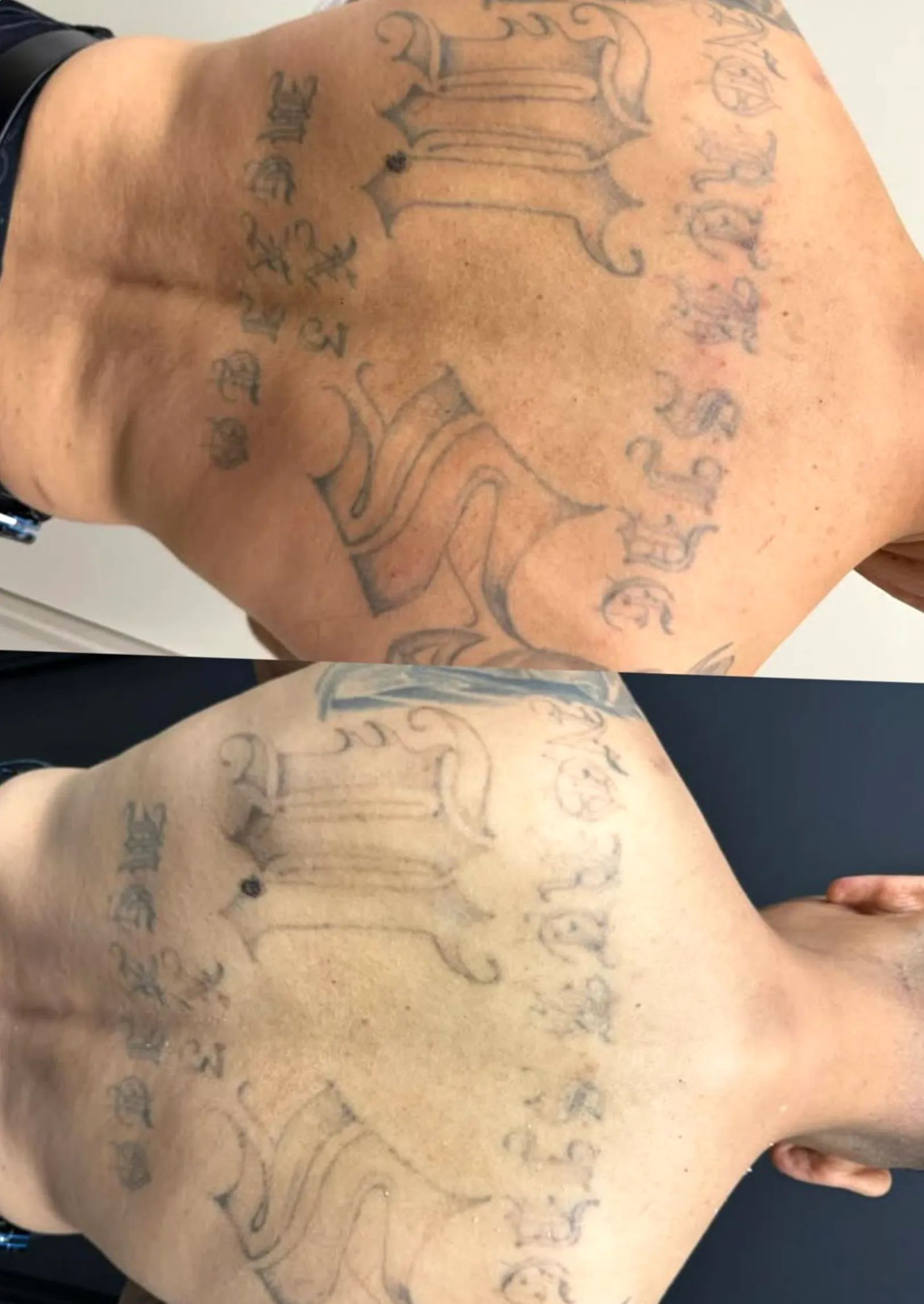
Think of UV rays like tiny invisible bleach pens. The more your tattoo sees the sun, the faster those ink particles break down. In Melbourne, summer UV levels hit extreme levels even on cloudy days. Sun exposure doesn’t just lighten pigment; it can also affect the chemical bonds in tattoo inks, causing colour shifting or a fading tattoo.
If you’ve ever seen black and grey tattoos turn into washed-out grey or a colour tattoo shift from vibrant red to dull orange, there’s a good chance UV rays were involved. Extended exposure also increases the risk of skin cancer and skin damage, so SPF is part of essential tattoo aftercare.
Pro tip: I’ve had clients come in for a tattoo touch-up after only 18 months because they work outdoors and didn’t apply broad-spectrum sunscreen over their tattoo designs.
Aftercare During The Healing Process
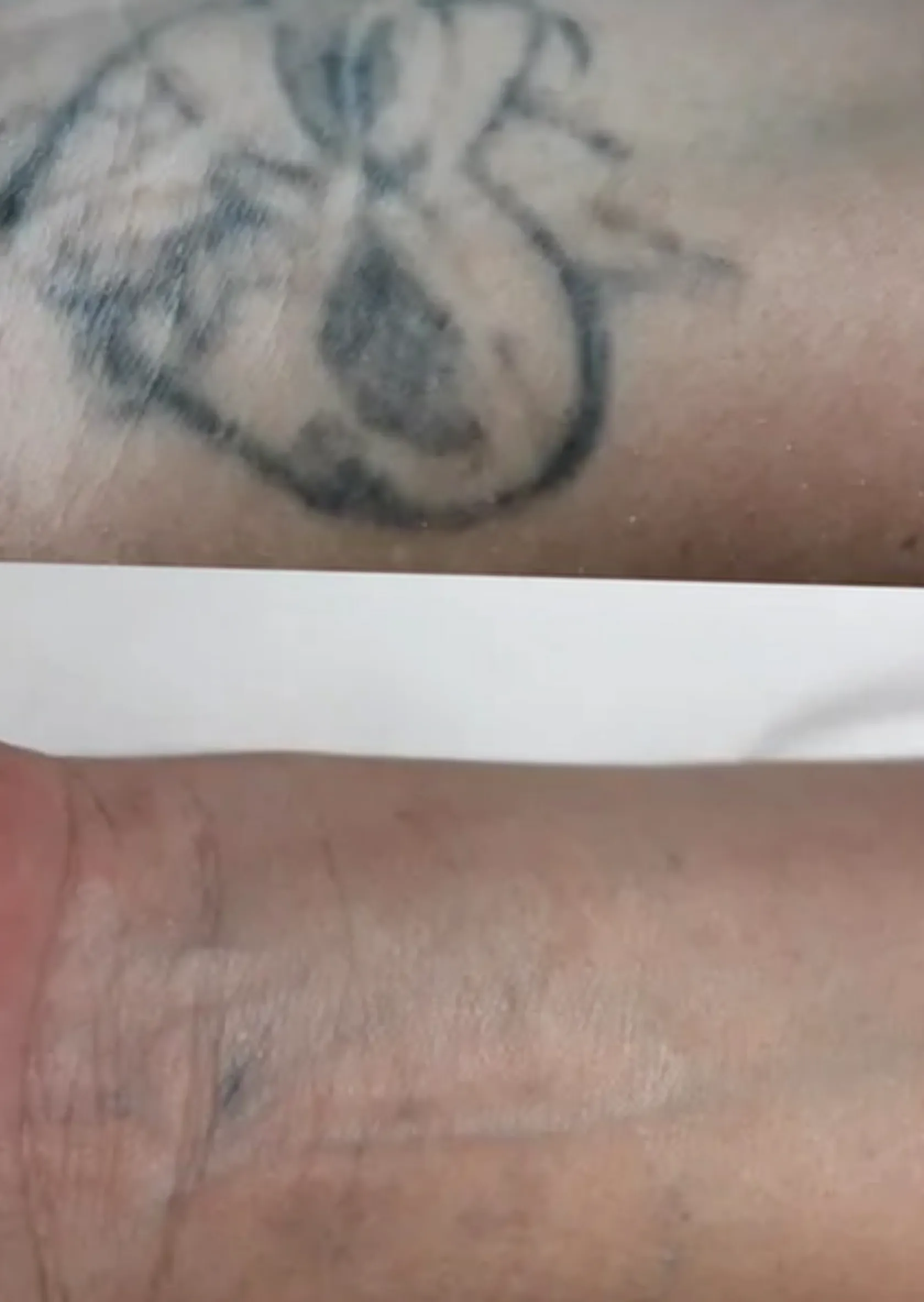
Your tattoo’s first few weeks decide so much about its future. Pick at peeling skin? Use a salt or sugar scrub too soon? You’re potentially pulling pigment right out before it’s even locked in.
Fresh tattoos are open wounds. They need gentle cleansing with antibacterial or hypoallergenic soap, a thin layer of tattoo balm or other natural ingredients-based healing cream and zero interference from impatient fingers. Using hydrogen peroxide or harsh skin care products too early can strip pigment and prolong healing time.
Some clients who neglect early care later opt for saline tattoo removal to fix uneven patches – a slower but effective method for cosmetic pigment lightening.
Ink Quality And Stability
Not all tattoo inks are created equal. Low-grade inks can have unstable pigment particles that break down faster under light, friction or immune activity.
High-grade inks — especially those designed for cosmetic tattooing — have more stable chemical bonds and predictable colours. Using natural ingredients in pigments can be safer, but the ink still needs to meet Australian safety standards.
Why it matters: I’ve seen colour tattoo clients from other studios where the pigment shifted from cool blue to murky green within a year — classic poor ink quality. In some cases, the only solution was tattoo removal before reworking the design.
Skin Type And Lifestyle Factors
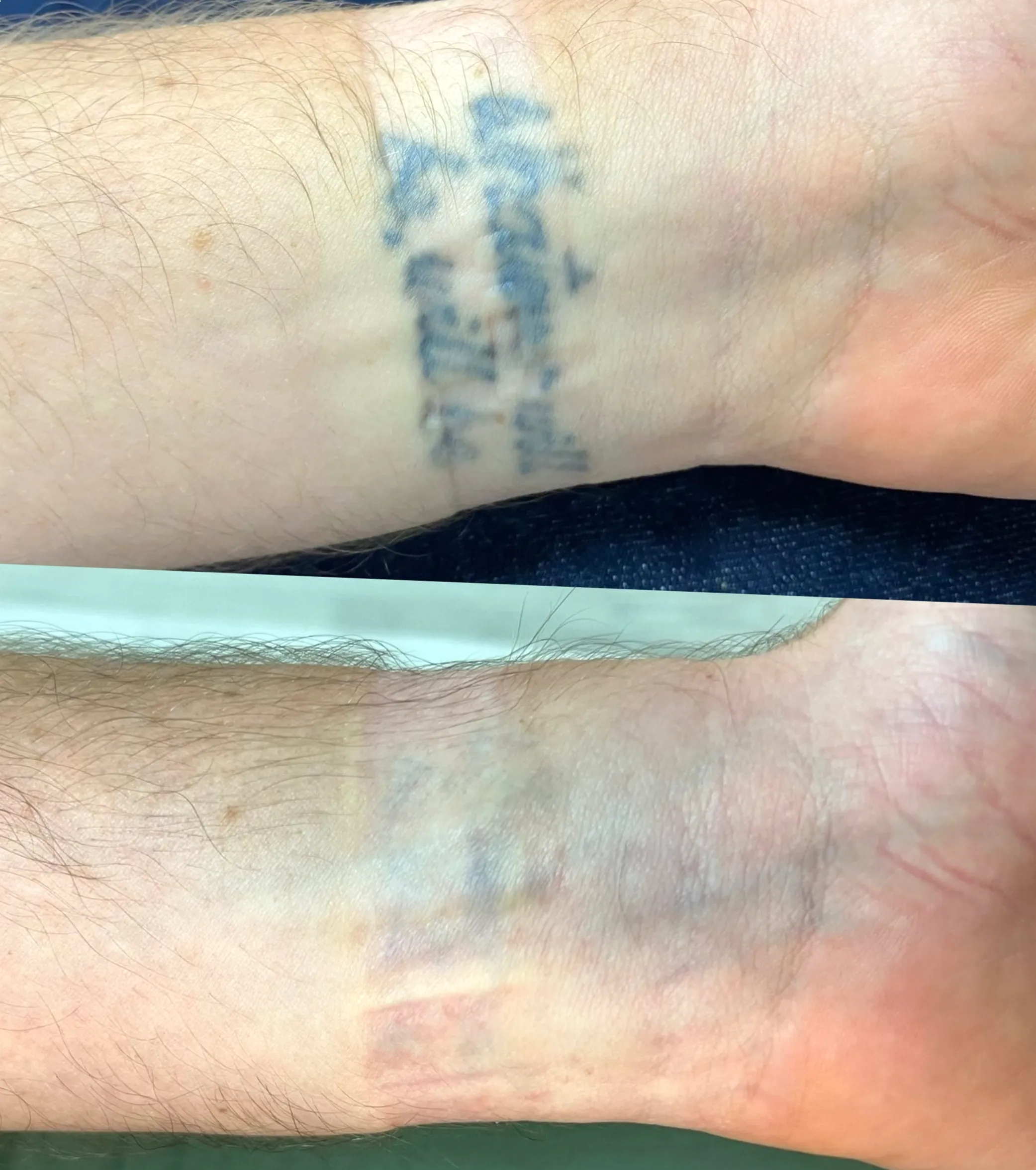
Oily skin can make cosmetic brow tattoos fade faster, and dry skin can make patchy pigment retention. Fairer tones show fading more, deeper tones hide it longer.
Lifestyle can speed up fading:
- Frequent swimming (chlorinated pools are especially harsh)
- High-sweat exercise
- Excessive exfoliation (microneedling pen, chemical peels, strong scrubs)
- Using skin care with retinol or acids
- Heat and steam from saunas or hot yoga
Fading can also accelerate when clients have laser hair removal too close to tattooed skin. Laser light can disturb pigments, so we shield tattoos during those sessions.
Age And Immune System Activity
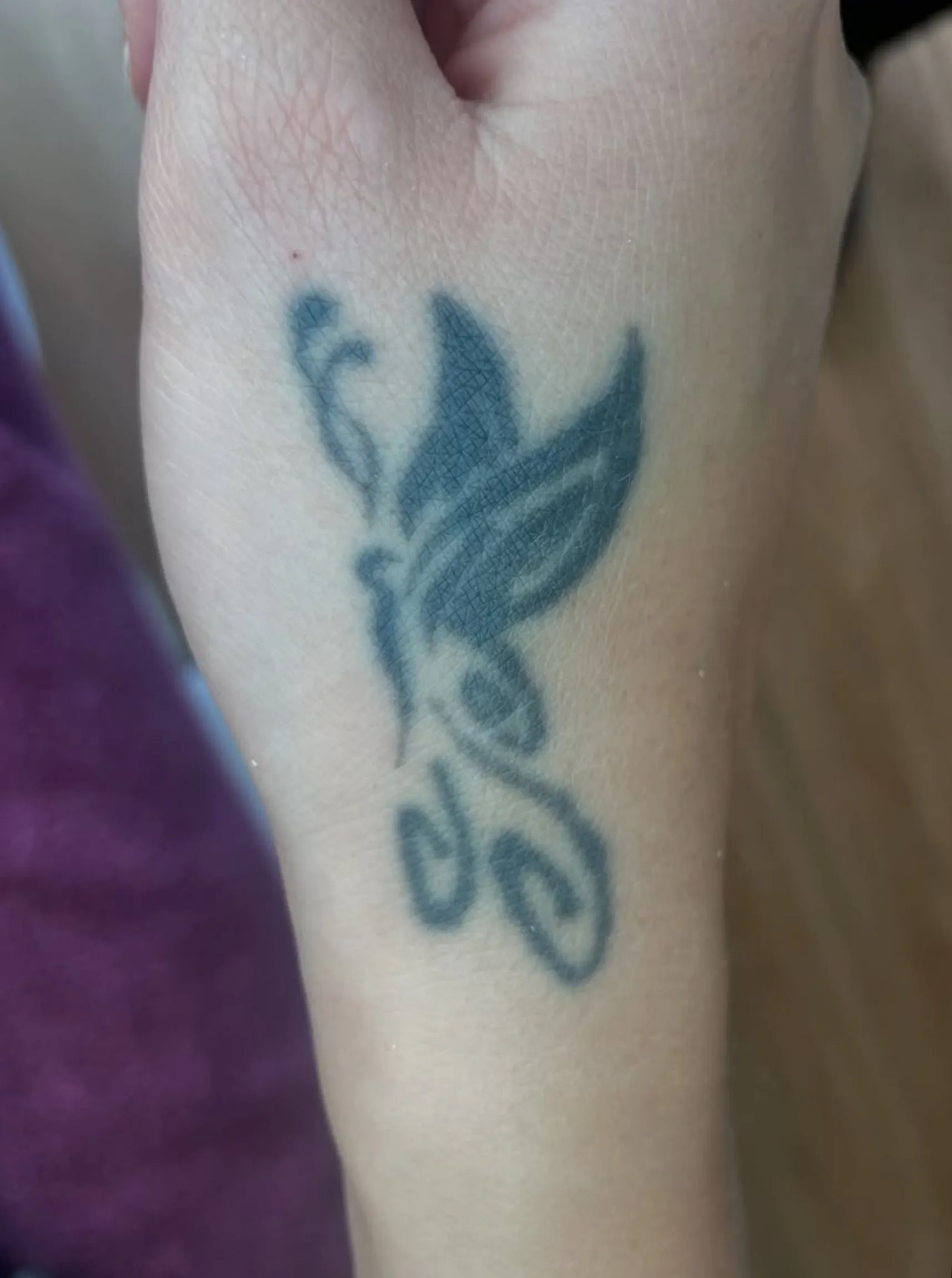
Tattoos live in your dermis. Over time, the immune system sends macrophages to break down and carry away pigment particles. This is why natural fading methods work — your body is already trying to clear the ink.
Younger clients with fast skin regeneration may see quicker fading. Older clients see less fading but more skin texture changes. For unwanted tattoos, laser tattoo removal speeds up pigment breakdown in a controlled way.
Medical And Skin Treatments
Some treatments can directly impact pigment or speed fading:
- Laser hair removal too close to tattoos
- Laser skin rejuvenation over tattooed areas
- Picosecond laser tattoo removal
- Microneedling pen sessions on tattooed skin
- Strong chemical peels
Always tell your tattoo artist or skin therapist where your tattoos are so they can protect those areas.
Placement And Friction
| Placement | Fading Risk | Why |
|---|---|---|
| Face (brows, lips) | Medium–High | UV rays, makeup removal friction |
| Hands & fingers | High | Constant washing, friction |
| Feet & ankles | High | Shoes and socks rubbing |
| Torso (under clothing) | Low | Minimal UV and friction |
| Upper arm | Low–Medium | Sun exposure if uncovered |
2025 Trends
The Australian Cosmetic Tattoo Association’s 2025 survey found 68% of clients booked a touch-up sooner than planned. Main culprits: UV exposure, chemical exfoliation and inconsistent aftercare.
How To Keep Tattoos Vibrant For Longer
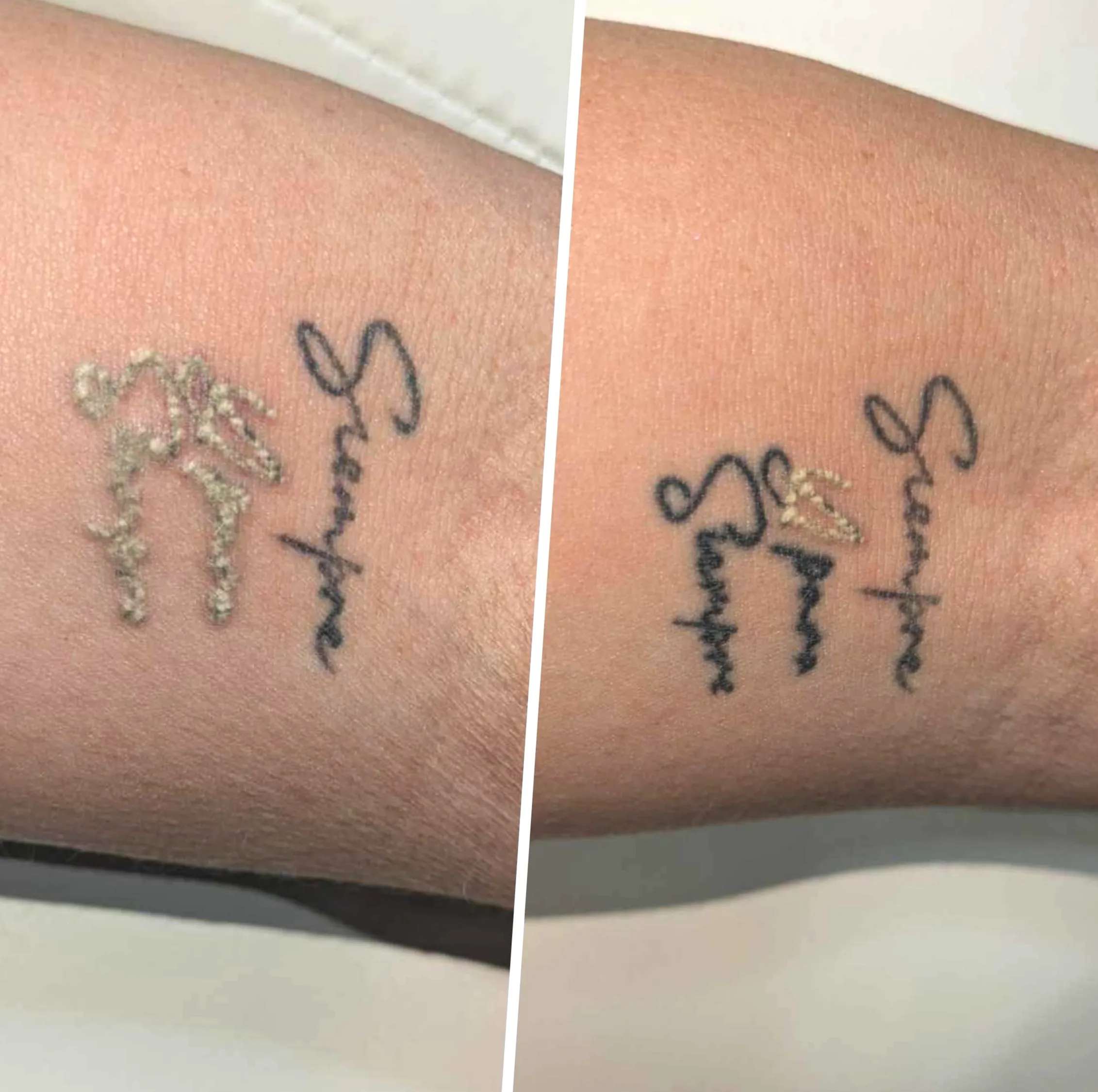
- Daily SPF — protects against UV rays and colour shifting
- Avoid harsh scrubs like salt or sugar until healed
- Moisturise to maintain skin health and pigment
- Limit strong exfoliants over tattoo designs
- Follow healing steps for 4–6 weeks
When To Refresh Or Remove
- Tattoo touch-up to boost colour
- Tattoo cover-up to hide faded ink
- Laser tattoo removal or picosecond laser for unwanted work
- Saline tattoo removal for cosmetic pigment lightening
Final Thoughts
Tattoos soften over time, but by protecting your skin, using high-quality inks and following proper aftercare, you can extend their life by years.
If you’re in Melbourne and wondering if your faded ink needs a refresh or removal, book in at Face Figurati Cosmetic Tattoo Studio — we’ll assess your tattoo placement, ink quality and skin type before recommending the best path forward.
FAQ
Which tattoo ink colours fade fastest?
Pastels, yellows and some reds fade faster than black and grey tattoos due to smaller pigment stability.
Does laser hair removal damage tattoos?
Yes — laser over tattoos can break down pigment and cause skin damage. We shield tattoos during laser hair removals.
Can natural tattoo fading methods work?
Yes, but slowly — the immune system naturally clears ink particles, but lasers or saline are faster.
Is sun exposure the main cause of fading?
It’s a major factor, especially without SPF, but lifestyle and ink quality also matter.
When can I get a tattoo touch-up?
After full healing — at least 6–8 weeks — so pigment has settled.