Let’s talk ink — because if you’ve been debating between a dainty floral behind your ear or a more classic anchor with bold shading, you’re not alone. “What’s the difference between fine line and normal tattoos?” is one of the most common questions we get asked at Face Figurati — and for good reason.
Spoiler: not all tattoos are created equal. And the line between minimalist chic and murky regret? It’s thinner than you think — literally.
Contents
- 1 Not Just a Trend: Why Tattoo Style Matters
- 2 Needles, Machines and Technique
- 3 Minimalist Designs vs Bold Outlines
- 4 It’s a Different Ball Game
- 5 Skin Types and the Immune System
- 6 What to Expect from Each Style
- 7 Longevity and Fading
- 8 Social Media’s Influence on Tattoo Trends
- 9 Choosing the Right Tattoo Artist
- 10 Aftercare
- 11 Pricing in Melbourne
- 12 Final Thoughts
- 13 FAQ
- 13.1 Do fine line tattoos hurt less than normal tattoos?
- 13.2 Will my fine line tattoo fade quicker than a traditional one?
- 13.3 Can I get colour in a fine line tattoo?
- 13.4 What makes fine line tattooing different from traditional work?
- 13.5 Is it worth taking a fine line tattoo course if I’m an artist?
Not Just a Trend: Why Tattoo Style Matters
Whether it’s your first tattoo or your tenth, choosing between a bold traditional design and a soft, delicate piece comes down to more than just looks. It’s about your skin type, lifestyle, pain tolerance, and how much effort you’re willing to put into aftercare and touch-ups.
I’ve worked with both styles for years in Melbourne, and trust me — what looks good on Pinterest doesn’t always translate to real life. Let’s break down what sets fine line tattooing apart from your standard ink.
Needles, Machines and Technique
This is where the two styles split early on — the equipment and technique are worlds apart.
| Feature | Fine Line Tattoo | Traditional Tattoo |
|---|---|---|
| Needles | Single needle / one-round liner | Multiple needle groupings (e.g. 5RL, 7RS) |
| Ink style | Black and grey, minimal shading | Bold outlines, heavy shading, solid colour |
| Designs | Minimalist, delicate linework, small scale | Larger scale, saturated colours, classic themes |
| Machine speed | Slower for precision | Faster for pigment saturation |
| Artist skillset | Requires precision, soft hand, and advanced control | Requires depth consistency, shading techniques |
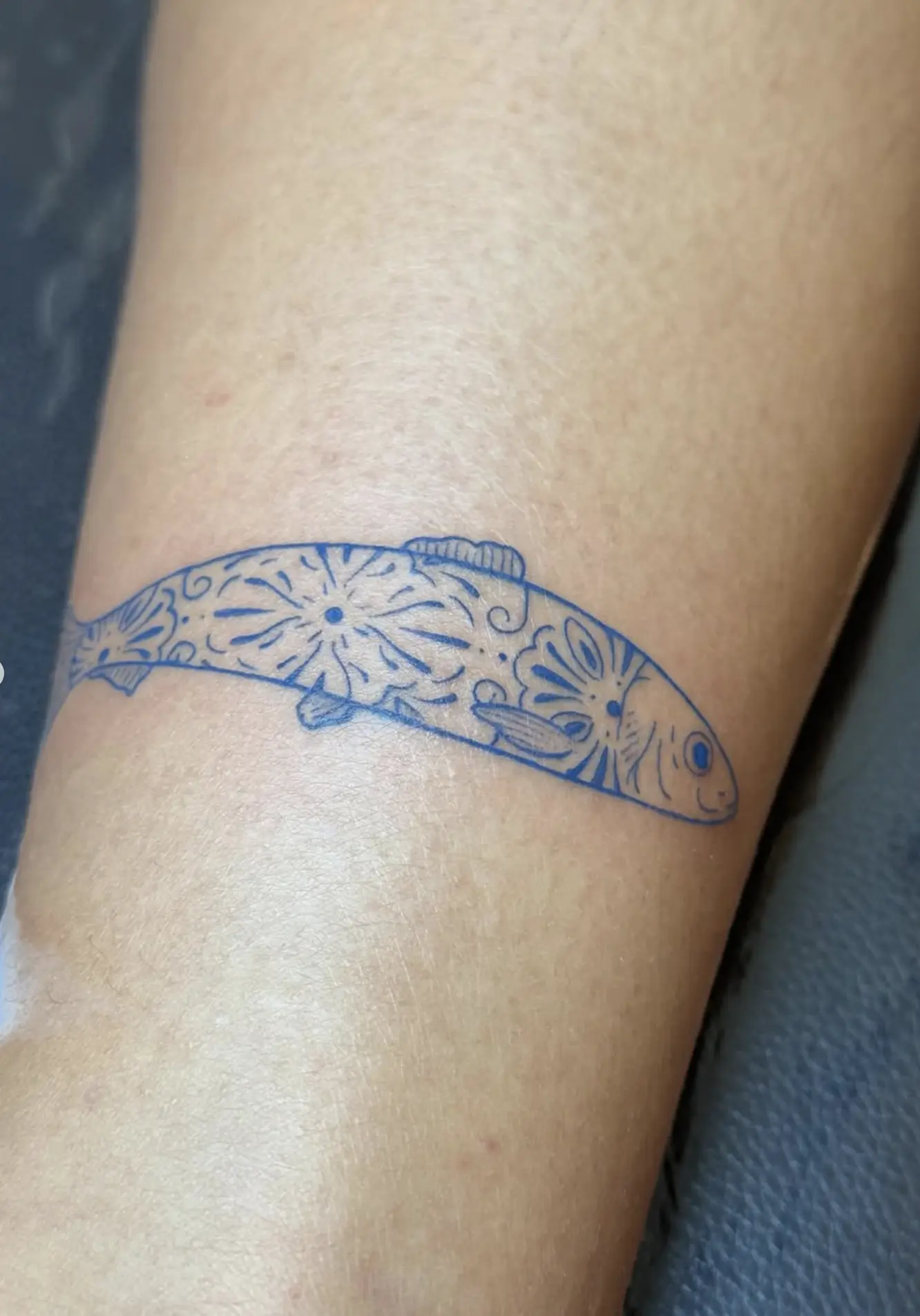
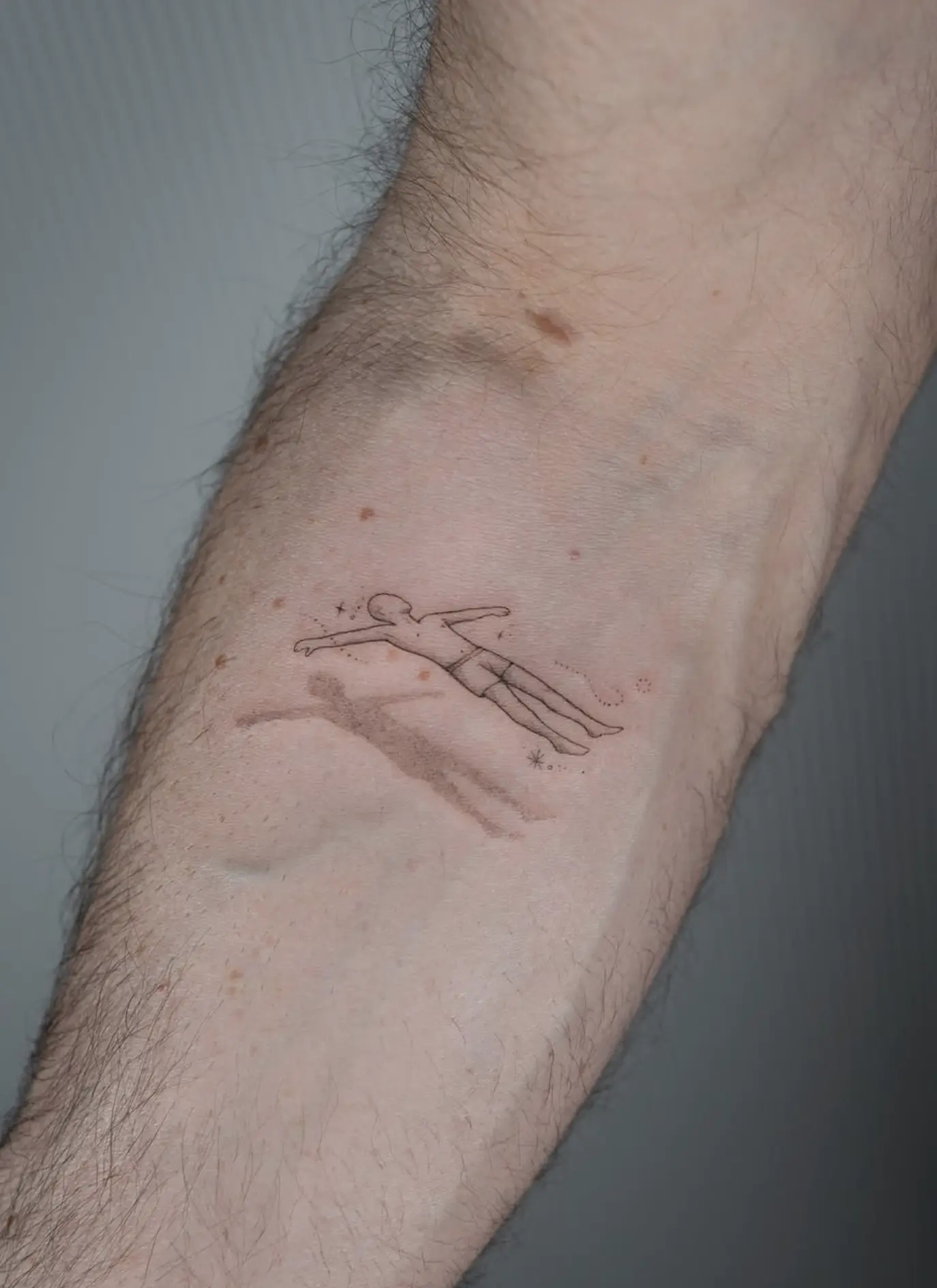
Fine line tattoos use one needle — yes, just one — often referred to as a one-round liner needle. This allows for razor-sharp detail but also means there’s little room for error. A steady hand is everything.
Traditional tattoos use larger groupings like 5RL or 7RS for bold lines. The machines are tuned differently, and the aim is ink saturation and longevity — not subtlety.
Minimalist Designs vs Bold Outlines
If you’ve been saving reference images from social media, chances are they fall into one of two categories:
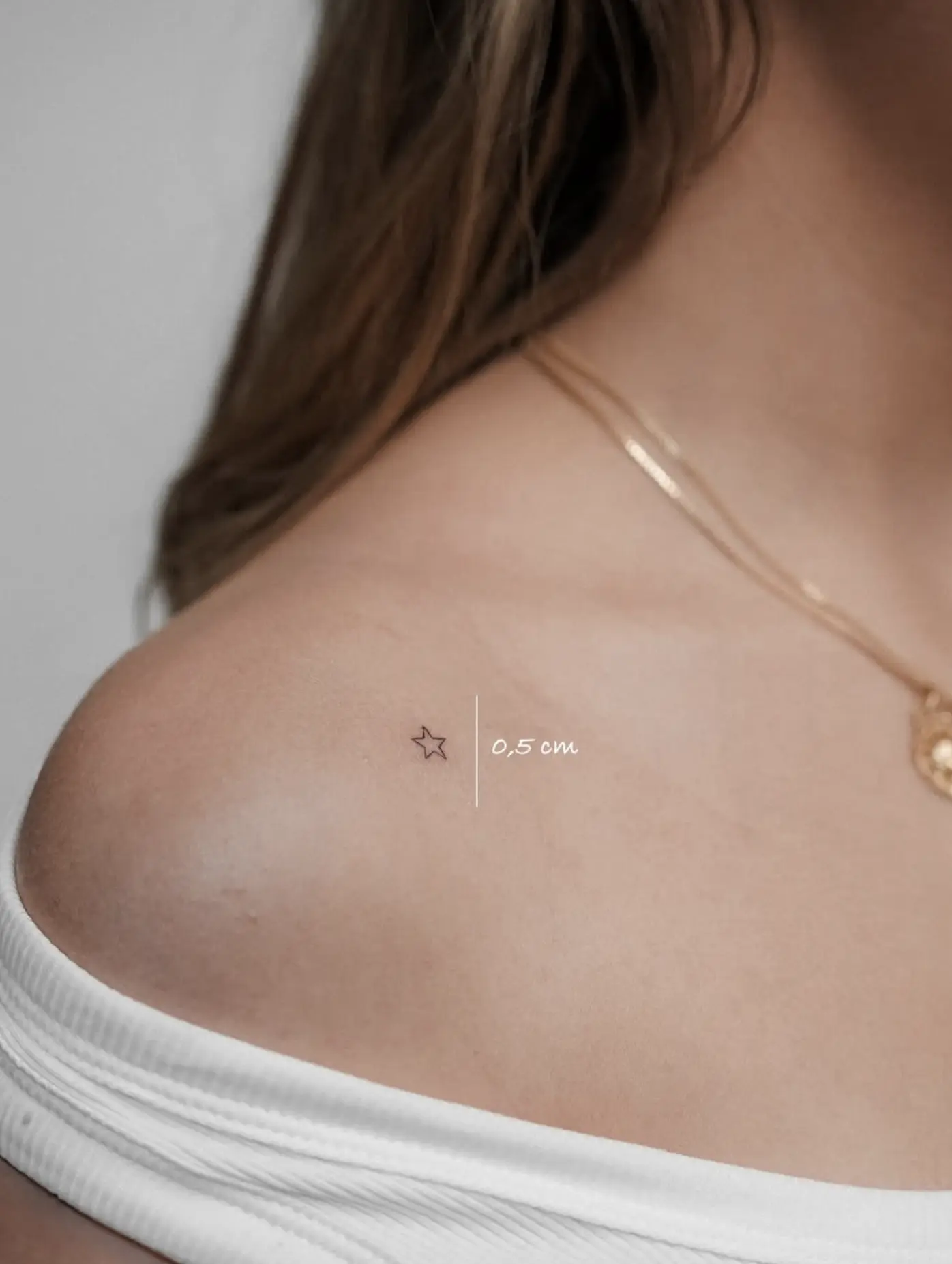
Fine Line Tattoo Styles:
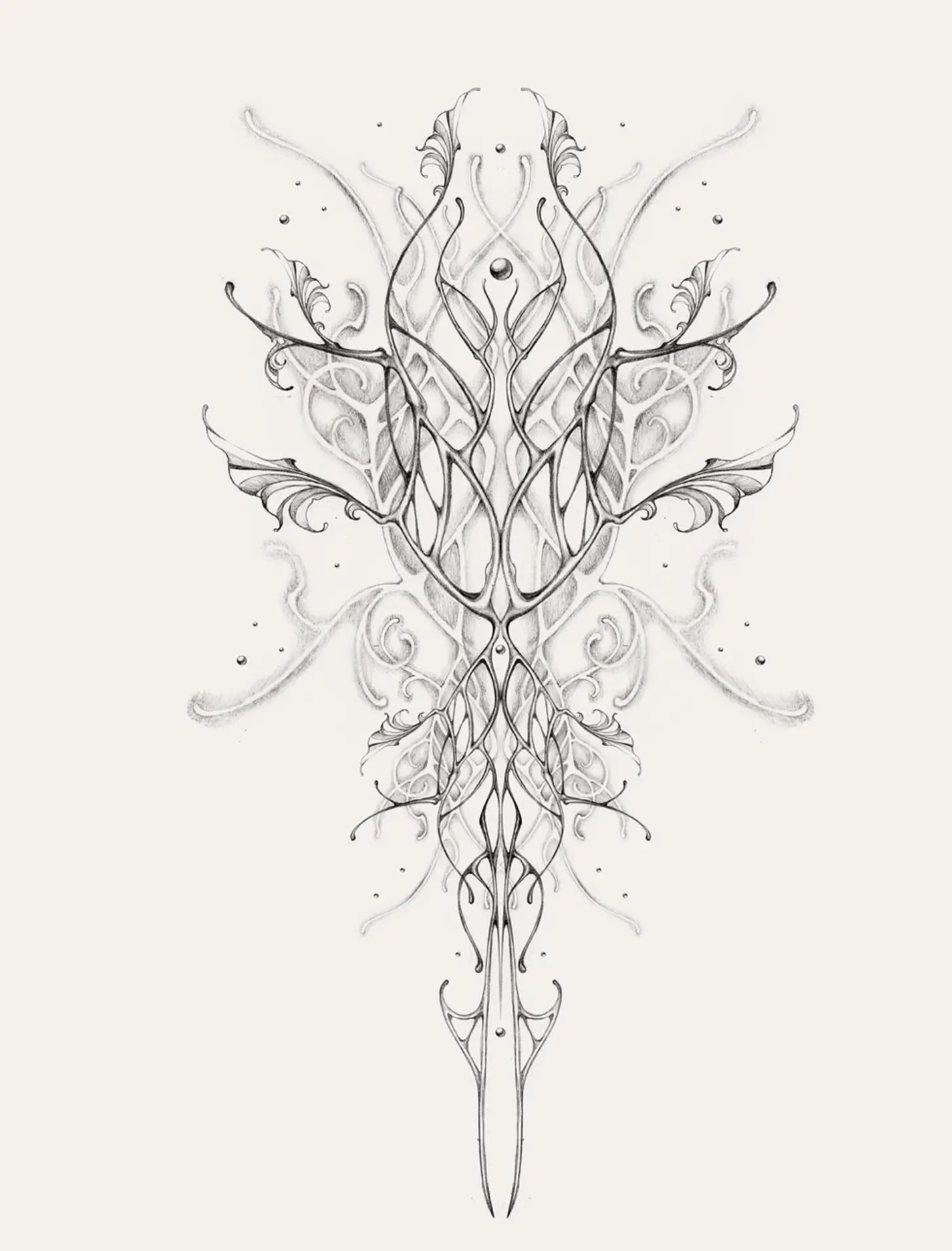
- Micro tattoos with delicate linework
- Minimalist geometric shapes and symbols
- Single word script along the ribs or collarbone
- Floral tattoo designs like fine roses or lavender
- Celestial tattoos (moons, stars, planets)
Traditional Tattoo Styles:
- Bold nautical themes (anchors, swallows, lighthouses)
- Custom designs with full colour palettes
- Pin-up girls, skulls, daggers, tigers — the classics
- Larger pieces on arms, thighs or backs
- Geometric patterns with heavy shading
Where fine line tattoos whisper, traditional tattoos shout — in the best way. Both styles serve their purpose beautifully, depending on the story you want to tell.
It’s a Different Ball Game
Let’s get something clear: fine line tattooing isn’t just a “light version” of tattooing. It’s its own discipline.
We’re talking:
- Controlled pressure
- Slower application
- Consistent skin stretch
- Shallow needle depth
- Fewer ink pigments used per session
Many artists do a fine line tattoo course to learn how to navigate the technique properly. It’s not just about tracing a design — it’s about knowing how ink behaves once it’s inside skin.
At Face Figurati, we’ve seen beautifully drawn designs ruined by poor technique. When fine lines go too deep or too shallow, you either end up with a blowout (where the ink spreads under the skin) or premature fading.
Skin Types and the Immune System
Your skin isn’t just a canvas — it’s an active organ. And it has opinions. Oily skin will make fine lines blur faster. Dry skin will flake too soon. And your immune system will break down ink particles over time.
Because single needle tattoos use less ink overall, they’re more prone to fading, especially in high friction areas like hands, feet, ankles and inner arms.
That’s why I do a consult before tattooing. If your skin rejects ink or you’ve had sensitivity in the past, I’ll walk you through the realistic outcomes. Sometimes a bold outline is the better long-term option.
What to Expect from Each Style
Here’s where clients are often surprised — because fine line tattoos heal faster.
Fine Line Tattoo Healing Timeline:
- Days 1–3: Mild redness, low swelling
- Days 4–7: Light flaking (don’t pick!)
- Days 8–14: Shedding ends, tattoo looks “frosted”
- Weeks 3–4: Pigment settles, may need a touch-up
Traditional Tattoo Healing Timeline:
- Days 1–3: Moderate swelling and plasma oozing
- Days 4–10: Scabbing forms and thickens
- Days 11–21: Scabs shed, colour clarity improves
- Weeks 4–6: Final healing; full colour and lines visible
Less trauma means faster healing, but also a greater chance of pigment loss during those first few weeks — especially if you skip proper aftercare.
Longevity and Fading
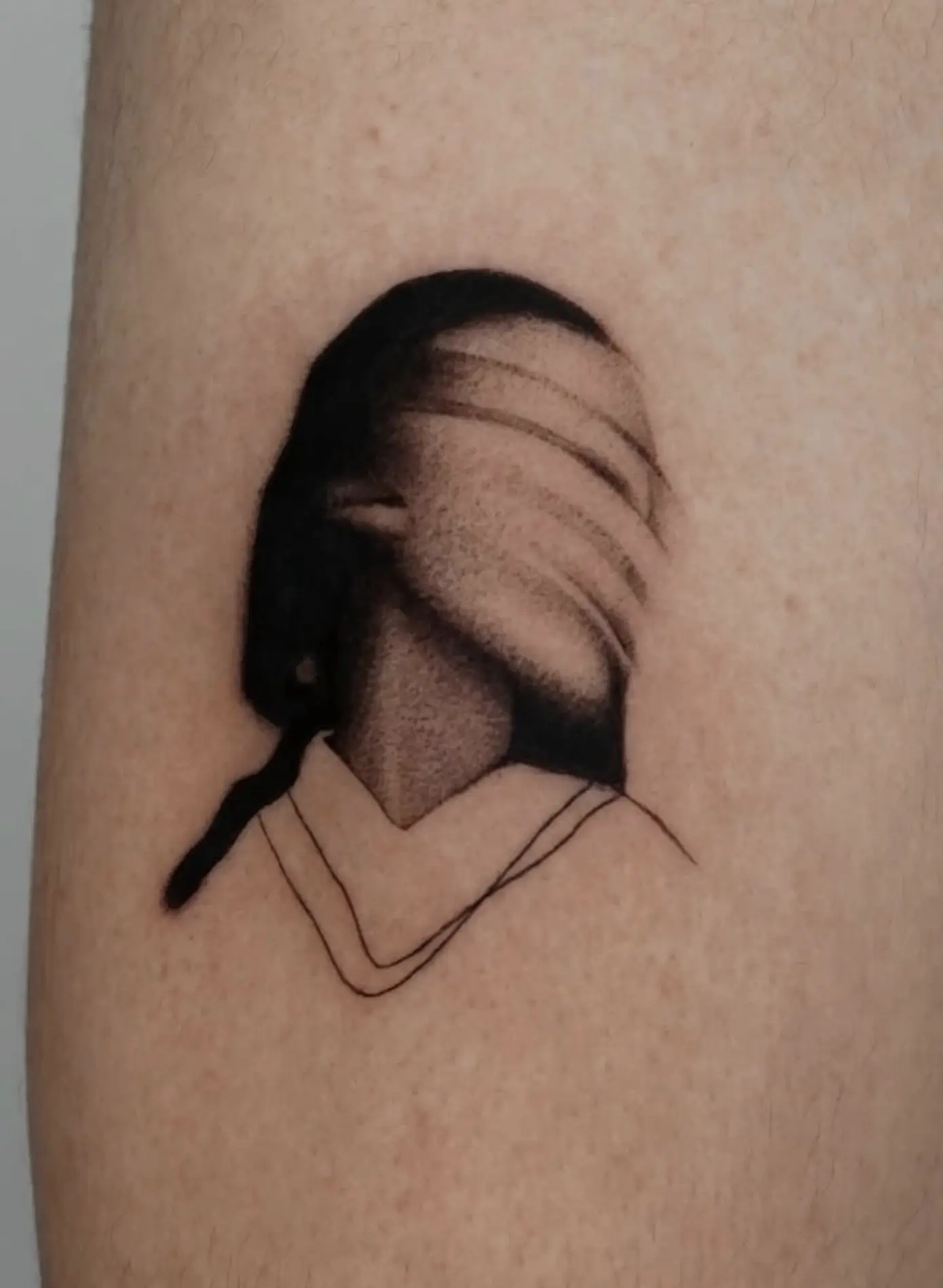
Fine line tattoos are beautiful — but they’re not bulletproof. In fact, I always tell clients: Think of it like eyeliner. It’s crisp and gorgeous when fresh, but if you’re not careful with maintenance, it fades or smudges faster than you’d like.
Key fading risks for fine line work:
- Excessive sun exposure (always apply SPF!)
- Skin exfoliation or retinoids
- Sweaty gym clothes rubbing the area
- Poor hydration or skipped healing steps
Black ink generally holds better than coloured pigments. Limited colour palettes are sometimes used in fine line designs, but they fade faster than black and grey.
Traditional tattoos, on the other hand, are designed for longevity. The heavier ink load means they hold their shape and colour much longer — often 10–20+ years with minimal fading.
Social Media’s Influence on Tattoo Trends
Thanks to Instagram, TikTok and Pinterest, fine line tattoos have gone crazy — especially among 20–35 year olds.
According to 2025 trend data:
- “Fine line tattoos” was in the top 3 most searched tattoo styles in Australia
- Single needle tattoos made up nearly 50% of first-time bookings
- Minimalist designs and delicate floral tattoos were the most saved Pins and posts
But social media rarely shows healed results. That’s why I always share before-and-after pics with my clients — so they know exactly what to expect six months down the line.
Choosing the Right Tattoo Artist
Not every artist can switch between fine line and traditional tattoos seamlessly — and not all studios prioritise hygiene, pigment quality, or healed results over speed.
Here’s what to look for in an artist offering fine line work:
- A visible portfolio of healed fine line tattoos
- Experience with lining needles and shading techniques
- Work that shows crisp, clean delicate linework
- Studio standards around equipment sterilisation and professional setup
- Clear communication about healing time and realistic outcomes
At Face Figurati Cosmetic Tattoo Studio in Melbourne, we customise each design based on facial structure, skin tone, and lifestyle, not just what’s trending. That’s how we ensure long-term client satisfaction — and avoid disappointment.
Aftercare
This is where you really make your ink last.
Fine Line Tattoo Aftercare:
- Clean twice daily with non-scented soap
- Use a thin layer of fragrance-free healing balm
- Avoid sweat, friction and sun
- No exfoliation or active skincare on the area for at least 2 weeks
Traditional Tattoo Aftercare:
- Gently pat with paper towel during first 48 hours
- Allow light scabbing to form naturally
- Moisturise with tattoo-specific cream
- Avoid chlorine, sun and over-cleansing
Pricing in Melbourne
Not always. Despite being smaller, fine line tattoos often cost more per cm² because they take longer and require more precision.
Here’s what impacts the price:
- Artist’s experience and skill
- Time spent on design and application
- Studio location and hygiene standards
- Future touch-up sessions
In Melbourne, you can expect:
- Fine line tattoos: $150–$700 depending on size and complexity
- Traditional tattoos: Often priced hourly, starting from $150/hour
Final Thoughts
There’s no “better” style — just what suits your body, lifestyle and story. Fine line tattoos are perfect for minimalists, first timers or those wanting something subtle and meaningful. Traditional tattoos offer bold expression and durability.
Still stuck between styles? Pop by Face Figurati in Melbourne. We’ll chat through your ideas, assess your skin and help you choose what will age with you, not just look good today.
FAQ
Do fine line tattoos hurt less than normal tattoos?
Yes, because the needle goes shallower and the design is smaller. But they take longer, so the discomfort might be more drawn out.
Will my fine line tattoo fade quicker than a traditional one?
Yes, especially if it’s in a high-friction spot or exposed to the sun. Touch-ups may be needed every 1–3 years.
Can I get colour in a fine line tattoo?
You can, but it’s not always ideal. Black and grey works best for longevity. Colours fade faster and need stronger outlines to hold up.
What makes fine line tattooing different from traditional work?
It uses a single needle, lighter pressure, and focuses on minimalist, clean lines. It’s more delicate, both in application and healing.
Is it worth taking a fine line tattoo course if I’m an artist?
Yes — if you’re serious about learning the style. Precision is key, and the technique is very different from traditional line work.