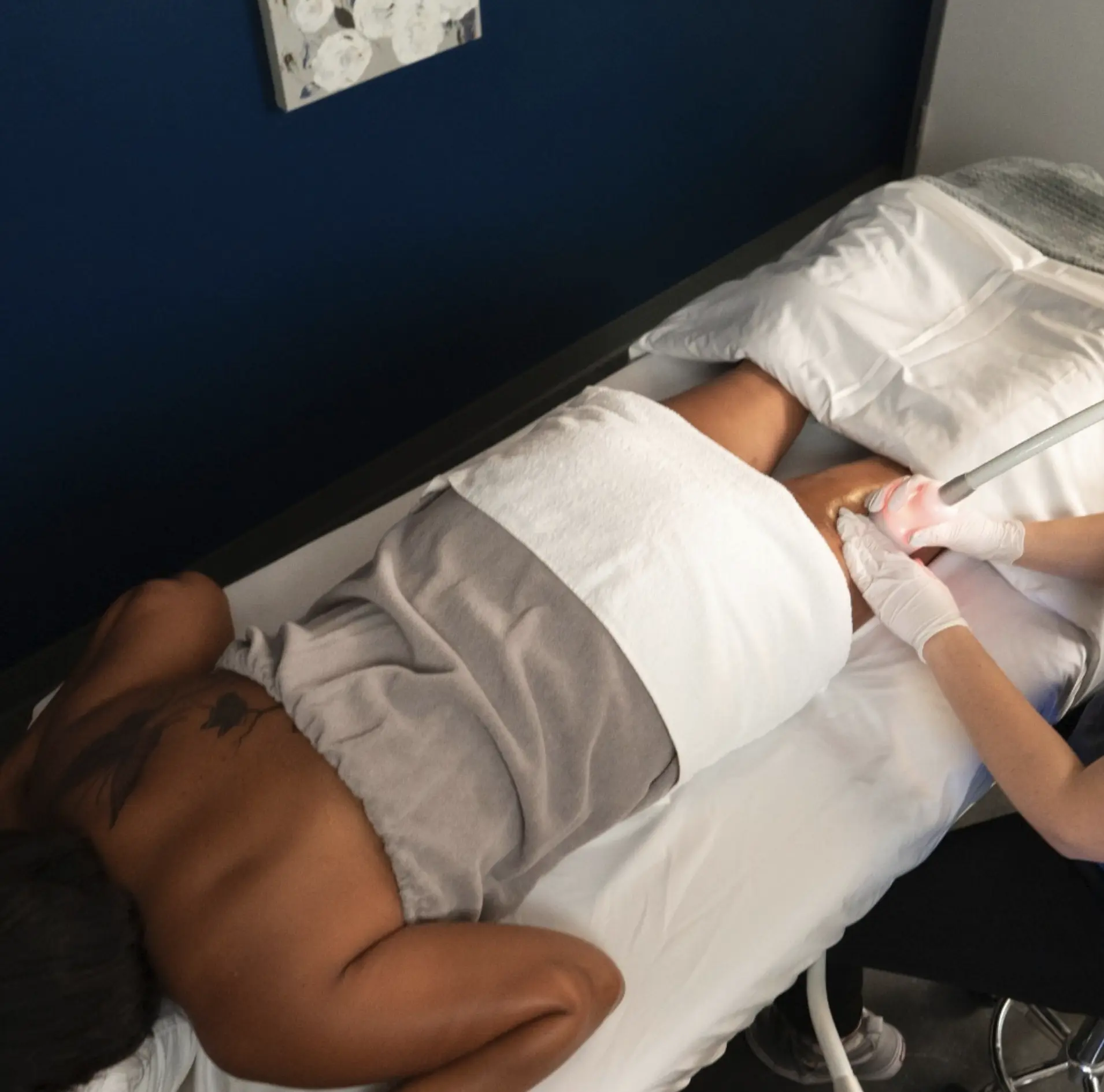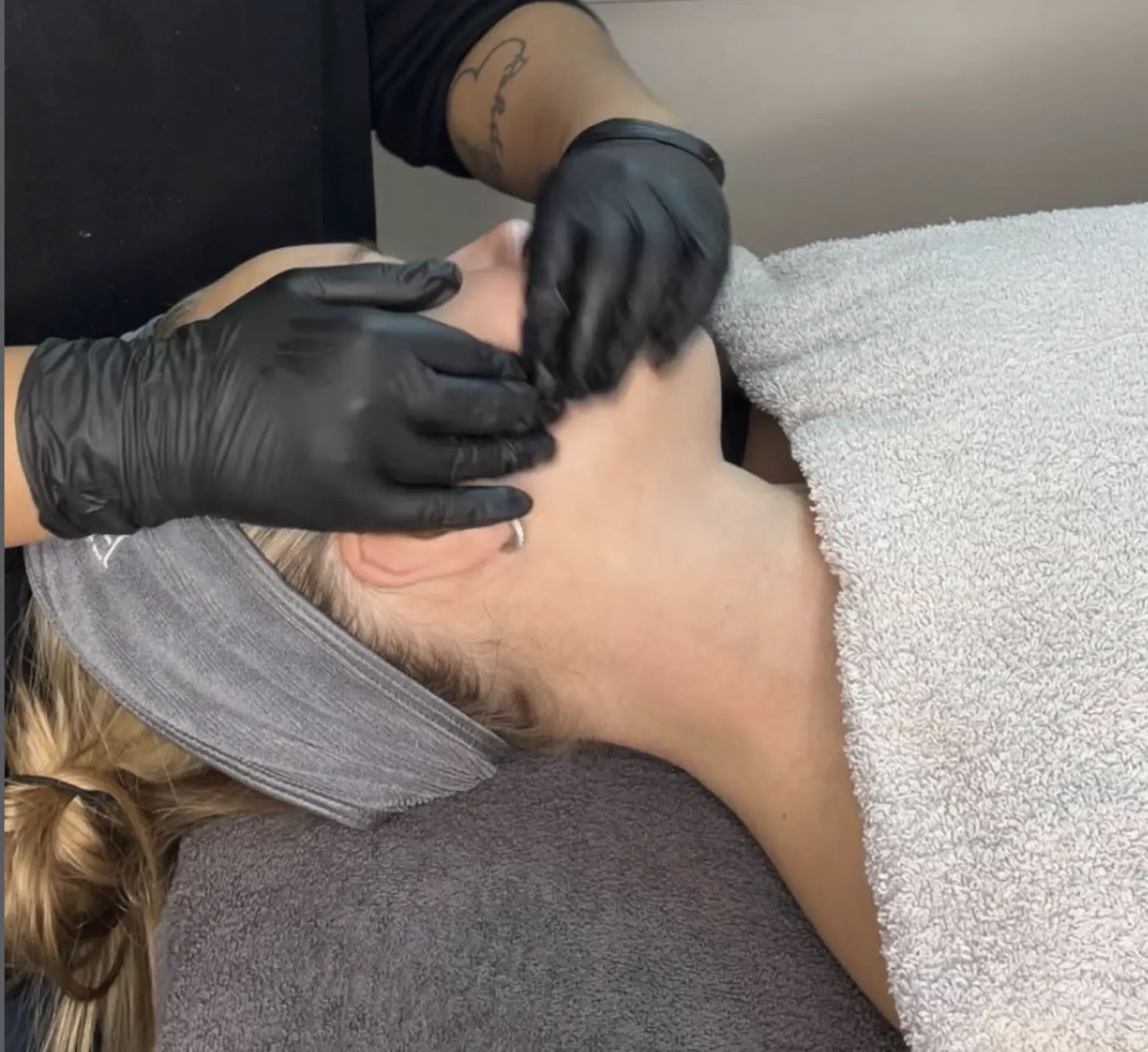
Is massage safe if I have dental work, braces, or a retainer? This is a question that pops up pretty regularly in my treatment room – especially when someone settles in & suddenly remembers they’ve got orthodontics on – a moment that always cracks a smile at The Facial Hub facial studio – I’ve spent nearly 20 years working hands on with faces & I’ve really got to know how all these dental gadgets interact with blood vessels, skin health & the delicate circulatory system around the jaw.
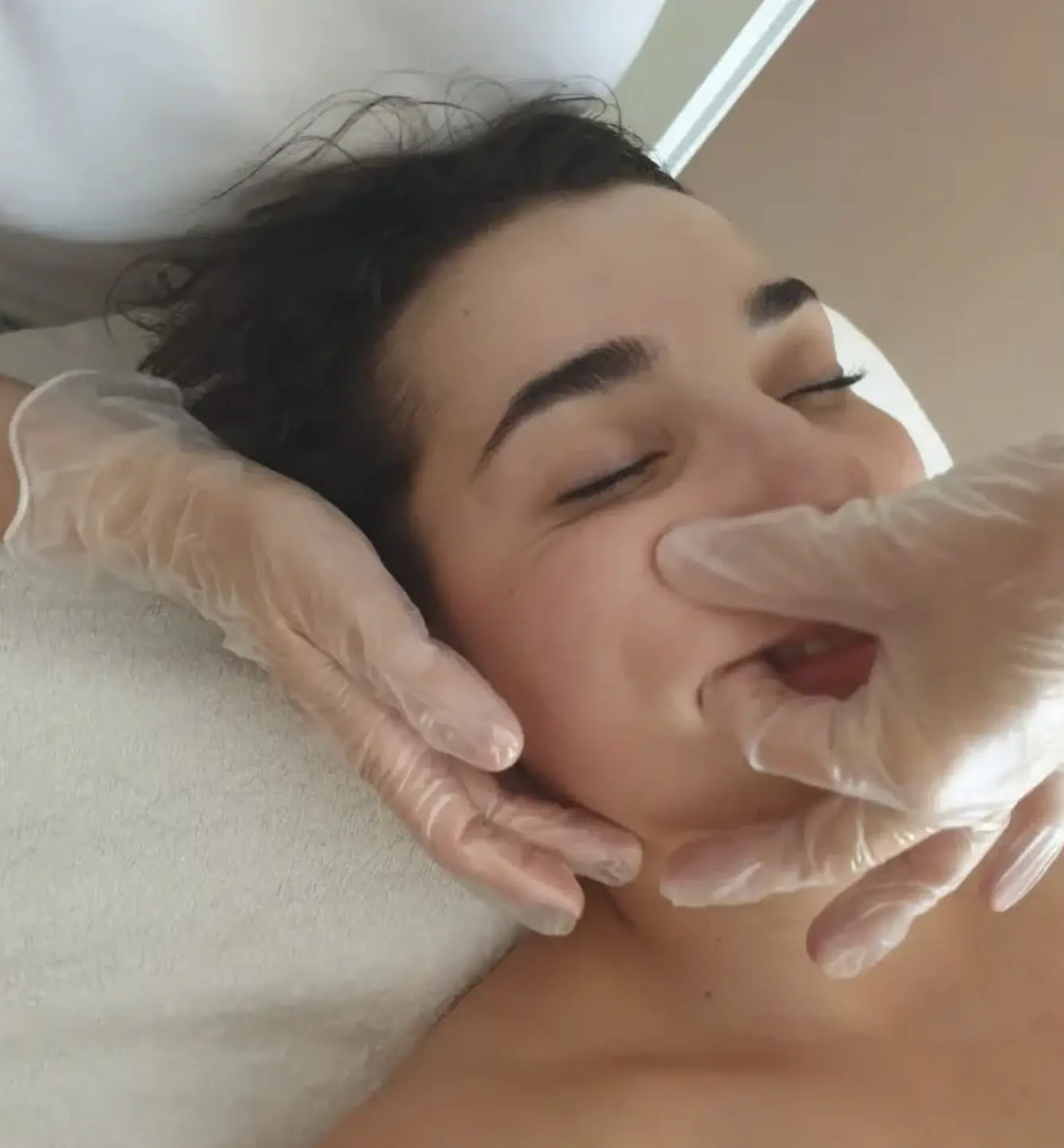
Hi, I’m Sevine Forster, founder of The Facial Hub, & my goal is always to make sure your session feels super grounded, super supportive & just plain safe – even if you’ve got a mouthful of modern dentistry to deal with.
Contents
- 1 Dental Changes That Affect Facial Muscles
- 2 Comfort Considerations When Wearing Braces
- 3 Getting Comfortable with Invisalign or Clear Aligners
- 4 How Retainers Influence Jaw Tension and Facial Sensitivity
- 5 Healing Timelines After Fillings, Crowns, and Implants
- 6 Safety Guidelines for Buccal Techniques With Orthodontics
- 7 Our Hygiene, Training, and Treatment Protocols
- 8 Brisbane Weather and Facial Puffiness
- 9 Skin and Jaw Signs to Adjust Pressure
- 10 Situations Where Treatment Should Be Delayed
- 11 Your Personalised Care Plan — What Comes Next
- 12 FAQ
Dental Changes That Affect Facial Muscles
When I’m doing face sculpting at The Facial Hub, I see how braces or new aligners can create temporary muscle tightness, increase warmth from changes in blood vessels, or even make things feel a bit more sensitive in the cold. Some clients – especially those with autoimmune diseases or slower wound healing – can experience their cheeks and jaw reacting a bit during certain stages of treatment. Using some gentle external techniques helps promote a healthier blood supply & eases the strain on overloaded tissues.
A couple of years back, an Australian study checked out the impact of orthodontic adjustments on facial muscle tension & found that in 72% of patients,s this actually increased muscle tension – but with the right light sculpting techniques, this tension eases off without affecting the appliance in any way.
Comfort Considerations When Wearing Braces
Braces do some amazing long-term work, but they can make your cheeks and jaw feel tight, swollen or sensitive – especially right after an adjustment. Clients at Facial Hub in Brisbane often describe this as a “fullness” or “pressure around the teeth”. This usually relates to changes in blood flow & your nervous system responding to new tension patterns.
When braces come into play, I take a few things into account:
- I make sure to steer clear of deep pressure along the lower cheeks where the roots are sensitive.
- I avoid using tools that are jolting or overstimulating – no surprises here.
- I work slowly around the lymph pathways to try & reduce any puffiness.
- You can still enjoy a grounding, restorative session – we just work with the body, not against it.
Why This Helps
- It encourages balanced blood flow
- Supports tissue healing without irritation
- Reduces tension that builds up along the jawline
- Improves overall skin health
If your braces feel a bit too tight – don’t worry, I adjust the session so it feels more soothing & less overstimulating.
Getting Comfortable with Invisalign or Clear Aligners
Invisalign is a godsend for people with sensitive teeth and gums – you can literally take the trays off & on – and that’s a real blessing for some clients – they find putting them back in after a good massage session really helps their nervous system settle down & gets rid of that weird compressed bite feeling
If you’re just starting with a new set of Invisalign:
- You’ll probably feel a bit of gum sensitivity at first.
- You might notice some tenderness around the blood vessels in the lower half of your face.
- Even cold air might feel a bit more biting than usual.
We at The Facial Hub have a trick for this – I use warm tools & super gentle sculpting to help calm any irritation down. And weirdly enough, most people find the whole experience is way more comfortable when they take the trays out.
How Retainers Influence Jaw Tension and Facial Sensitivity
Retainers – whether they’re fixed or removable – usually don’t cause a huge problem during a facial. But it all depends on whether you’re experiencing:
- Some gum irritation.
- You’ve just moved to a new retainer, or it doesn’t fit properly.
- There’s some mild tissue damage from the retainer rubbing.
- You’re woken up in the morning with a tight jaw.
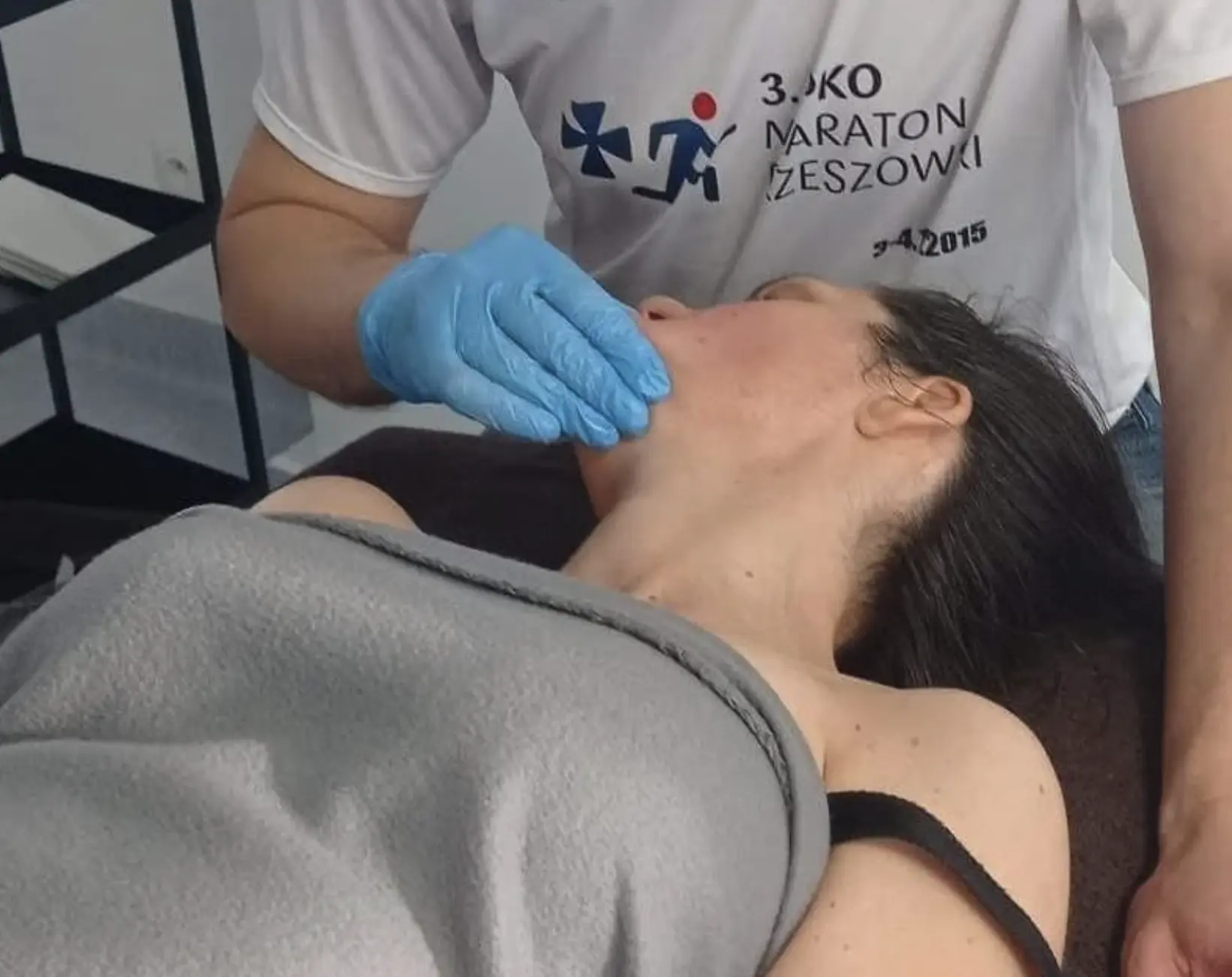
In those cases, I switch my approach to try & get some external release work going on & get the blood flow sorted out rather than laying on the heavy sculpting.
Healing Timelines After Fillings, Crowns, and Implants
Dental work relies on good blood flow & healthy tissues to heal properly. Massage is generally fine as long as we keep an eye on healing timeframes & take care not to mess things up. At The Facial Hub, we err on the side of caution to keep your dental work looking its best.
Comfort Timeline for Treatment After Dental Procedures
| Dental Procedure | When Treatment Feels Comfortable | What to Avoid |
|---|---|---|
| Filling | 24–48 hours | Deep pressure if blood pressure or sensitivity fluctuates |
| Crown | 48–72 hours | Working directly over vascular inflammation |
| Extraction | 1–2 weeks | Any pressure risking tissue disruption |
| Implant placement | 2–4 weeks (with clearance) | Work that alters local blood flow |
| Veneers | Immediate–48 hours | Strong sculpting on heat-sensitive spots |
If you take antihypertensive drugs, experience nervous system sensitivity, or have autoimmune tendencies, healing may feel slightly different — simply let me know beforehand.
Safety Guidelines for Buccal Techniques With Orthodontics
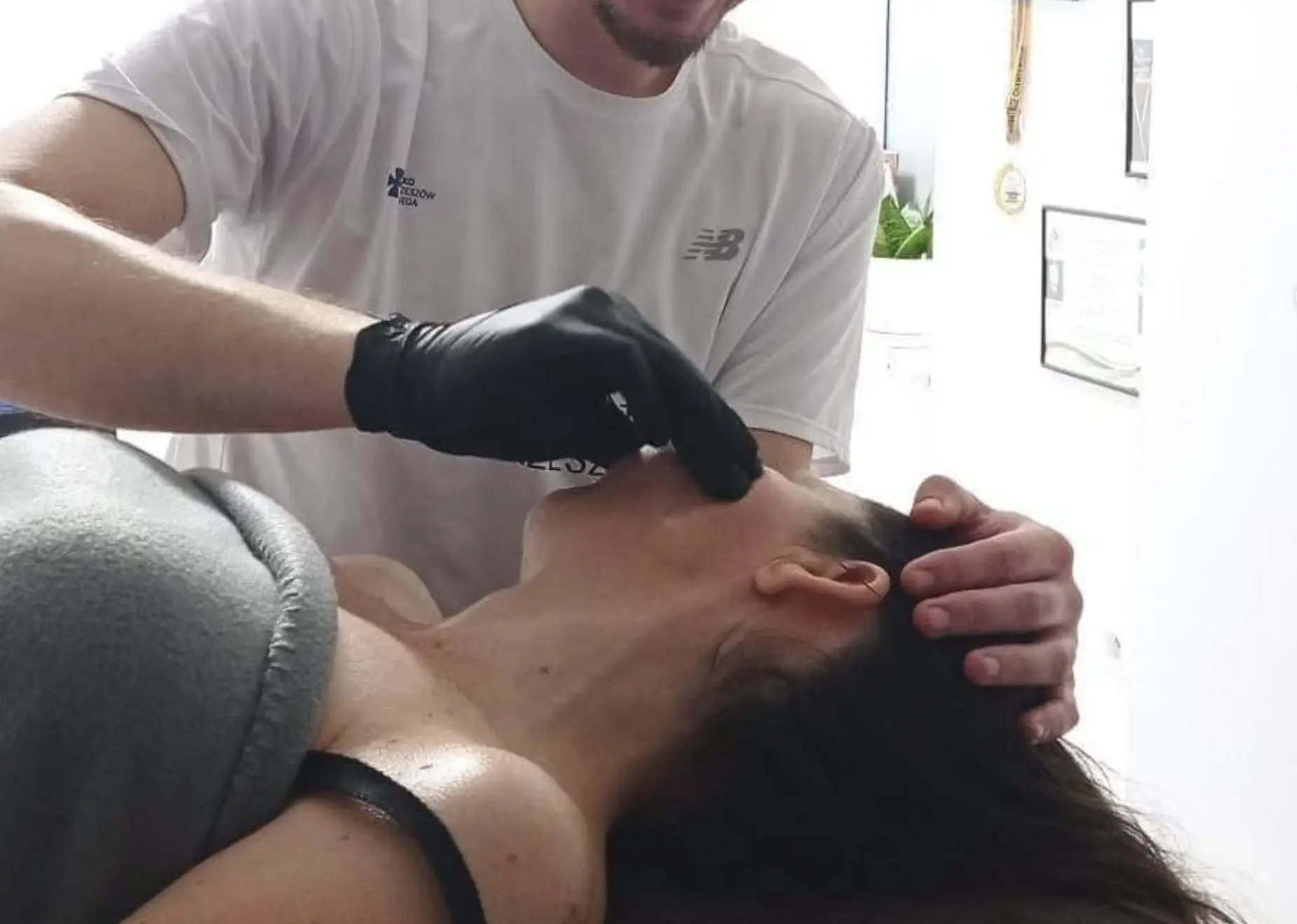
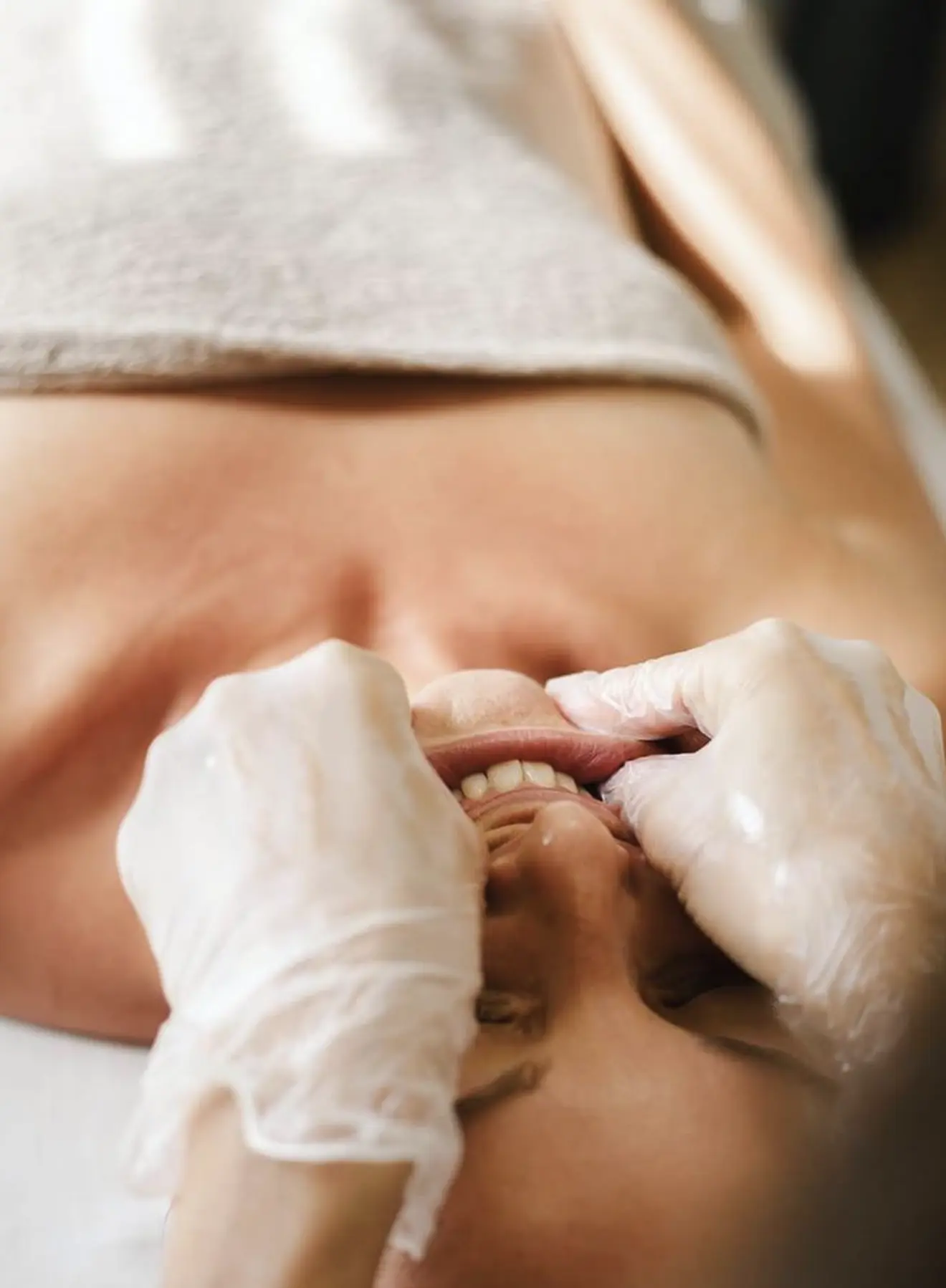
Buccal work (inside the mouth) is deeply releasing but requires extra care. When performing buccal massage at The Facial Hub, I adapt the technique to the appliances and tissue sensitivity.
Safety Overview
| Appliance | Safe? | Notes |
|---|---|---|
| Braces | Limited | No inner-cheek traction — avoid tissue damage |
| Invisalign | Yes | Remove trays for better blood flow |
| Removable retainers | Yes | Take out before treatment |
| Fixed retainers | Limited | External sculpting only |
| Implants | Yes (after clearance) | Avoid altering the early blood supply |
| Recent surgery | No | Allow full wound healing first |
Even when buccal isn’t recommended, external sculpting yields similar relief.
Our Hygiene, Training, and Treatment Protocols
At The Facial Hub, clean beauty, clinical hygiene and a really gentle approach are key to all our treatments. Here’s what you can expect from me during a session:
- Medical-grade gloves – you can feel safe and relaxed.
- Slow, gentle movements that treat your body like it should be treated.
- We work with adjustable pressure so I can ensure it’s just right for your sensitivity level.
- Techniques that won’t put too much on your nervous system – you’ll always feel at ease.
You know how sometimes vibrating tools or sudden temperature changes can feel overwhelming? Well, if that happens, I instantly switch to a more soothing manual task to help you feel more relaxed.
Brisbane Weather and Facial Puffiness
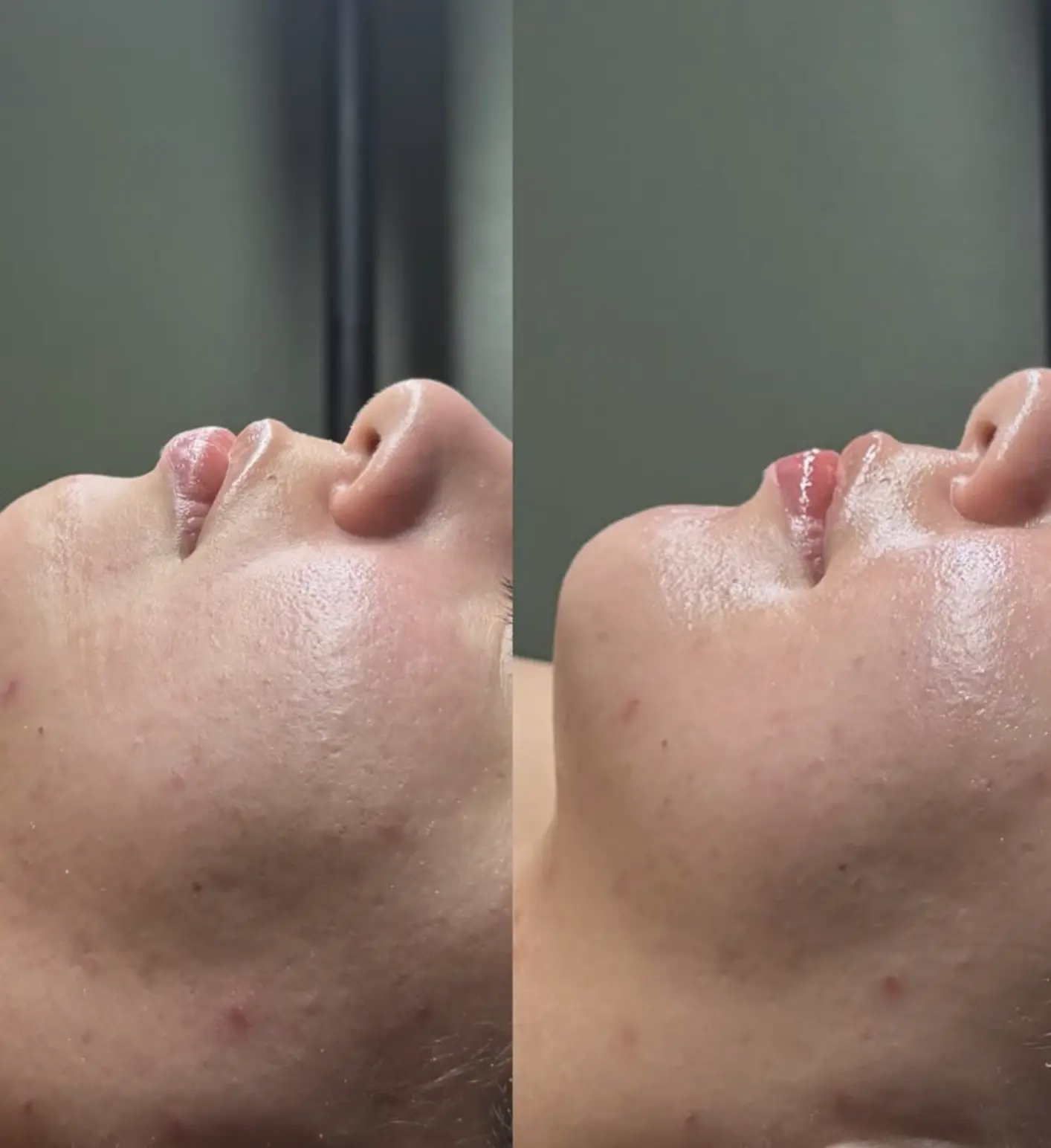
If you live in Brisbane, you’ll know the heat and humidity here can play havoc with everything – your skin, your circulatory system and even how your jaw responds to orthodontic work. Lots of clients notice puffiness, tension, or sensitivity kick in when the weather heats up, or there’s a cold snap, and you get blasted with air conditioning.
Massage can really help, though, by:
- Getting the blood flowing healthily
- Reducing fluid retention
- Easing up on muscular tension
- Helping to keep your skin healthy as the weather does its thing
All these changes are another good reason why I tailor treatments at Facial Hub in Brisbane so carefully.
Skin and Jaw Signs to Adjust Pressure
During a treatment, I keep an eye out for these cues – they tell me when to switch things up:
- If blood vessels start pulsing a lot
- If you get too warm too quickly
- If you get that annoying tingling from too much nervous system stimulation
- If you get sharp sensitivity around where your orthodontic work is putting pressure
If I spot any of these, I’ll switch to a gentler approach instantly – your comfort always comes first.
Situations Where Treatment Should Be Delayed
There are times when it’s a good idea to wait – especially when:
- You’ve got an active infection going on
- Tissue damage is still healing
- You’ve had recent dental work, like extractions or implants
- Your autoimmune symptoms are flaring up
- You’re in the middle of wound healing – that needs to be left to get on with it
If you’re unsure, I can talk to your dentist to make sure we’re all on the same page – your safety is my top priority.
Your Personalised Care Plan — What Comes Next
No matter where you’re at with your dental health, I can tailor your treatment to make you feel supported, safe and beautifully looked after. Whether you’re just getting used to braces, sorting out Invisalign or getting over recent dental work, we can create a session that feels as gentle as it is effective.
FAQ
Will massage make my braces more painful?
Honestly, not usually. If you do get a bit more blood flow going on after an adjustment, we can just dial back the pressure, and I can get you feeling relaxed again.
Can I get a facial the same day I get new Invisalign trays?
Absolutely – but just take out the aligners before coming in so your nervous system doesn’t get overwhelmed.
Will facial massage shift my dental work out of place?
No – I avoid any pressure that could disrupt the blood vessels or the soft tissues that are holding everything in place.
Why does my jaw click more when I’ve got dental appliances in?
It’s just your muscles adapting to the new bite pattern. Massage helps get that blood flowing and your muscles into balance.
Is buccal massage safe with dental implants?
Yeah – once your dentist says it’s okay and you’ve got a good supply of blood to the area, I’m good to go.