Beyond the Quokka: 5 Australian animals that’ll surprise you with their cuteness in person is a thing I’ve seen happen time and time again on my travels – from the red dusty tracks of Western Australia to the winding coastal roads of the Great Ocean Road. Everyone sets out here chasing those famous selfie animals on Rottnest Island – but give it a few days and the whole vibe changes. It’s the completely unexpected encounters that really stick with you.
I’m Paul, and I’ve spent enough time out bush – swatting at mozzies, dodging road trains and, of course, hitting the brakes for a glimpse of something moving in the scrub – to tell you flat out: the best wildlife moments don’t come from a curated photo on social media. They happen when you actually slow down and have a look.
Contents
- 1 Why Real Encounters Leave a Lasting Impression
- 2 The Bilby – A Desert Survivor That’s Full of Character
- 3 Wombat – Winning Hearts Without Trying
- 4 Quenda – Not The Showstopper, But Hard To Ignore
- 5 Bettong – The Unlikely Star Stealer
- 6 Echidna – One Of A Kind & Completely Unfussed
- 7 A Quick Reality Check On What You’ll See
- 8 Timing Matters More Than Location
- 9 Why These Animals Need Our Help
- 10 The Experience That Stays With You
- 11 The Bottom Line – Look Beyond The Obvious
- 12 The Lasting Word
- 13 FAQ
- 13.1 When is the best time to go out and see wildlife in its natural habitat?
- 13.2 Do you need to head deep into the outback to see wildlife?
- 13.3 Are guided Wildlife Tours worth booking then?
- 13.4 How do things like climate change and habitat loss affect what we see?
- 13.5 What’s the biggest blunder that people make on safari?
Why Real Encounters Leave a Lasting Impression
There’s a big difference between spotting wildlife and actually having a proper connection with it – one is quick, the other stays with you for years.
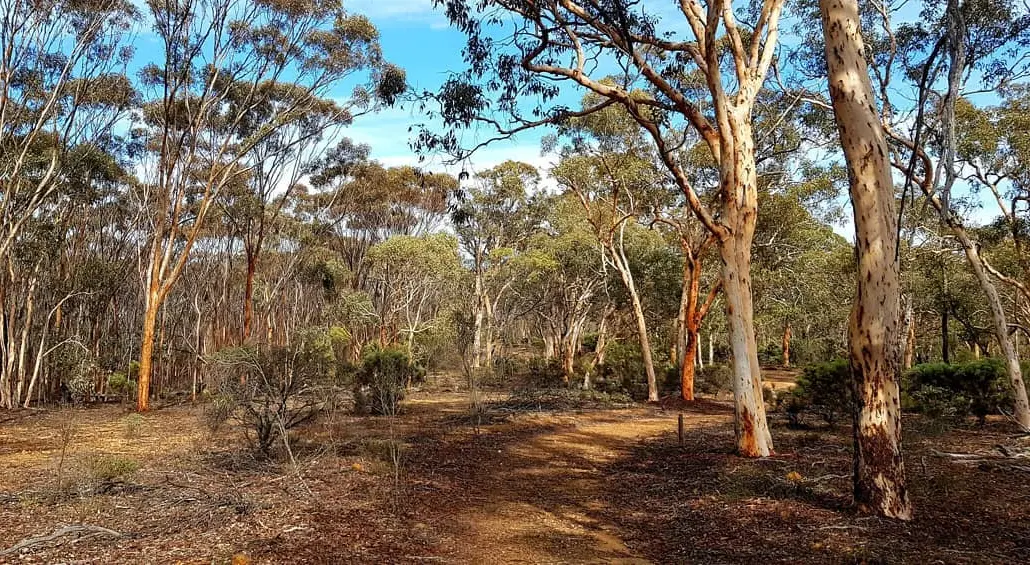
Out here, it’s never staged – you might drive for hours through the eucalyptus trees and native grasses and see nothing at all. Then, suddenly – a rustle, a glimpse of something, a moment. It’s that unpredictability that makes it all so real. And that’s why you see so many people walking away saying their favourite animal was the one they least expected.
The Bilby – A Desert Survivor That’s Full of Character
The bilby is another one of those Aussie marsupials that rarely make the hit list but often ends up being the real highlight. And that’s because they’re small, quick and built to survive in some of the harshest parts of the country.
Where the Effort Really Pays Off
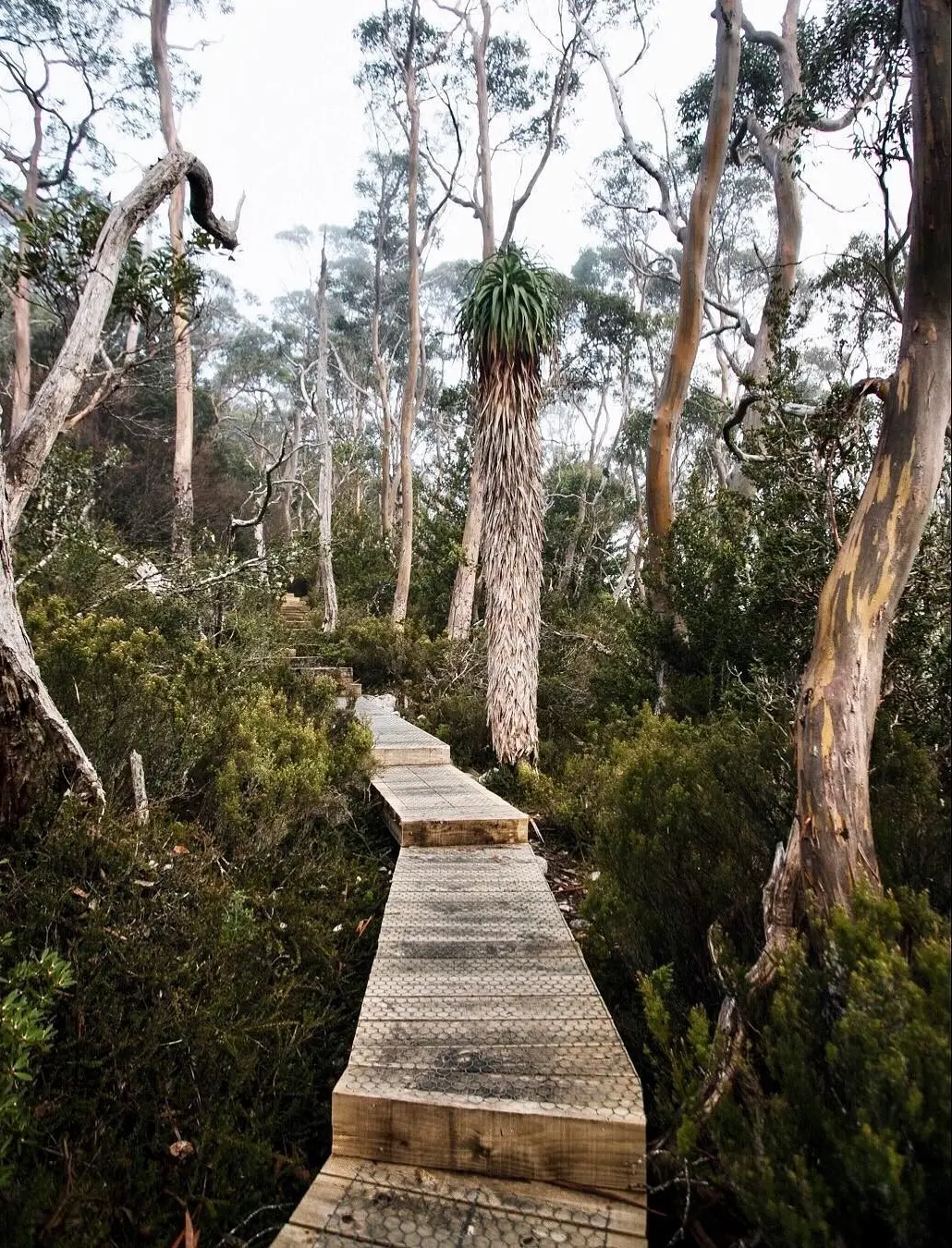
You’ll need to get out into the sticks – areas of Western Australia and the Northern Territory that are way off the beaten track. The landscape out there is dry, open and pretty unforgiving. These animals are mostly only active at night, trying to avoid the heat and stay clear of any danger.
They’re also sadly one of the species that’s being hammered by habitat loss and introduced predators – foxes and feral cats have driven them into protected areas, which is where conservation programs are working to keep populations stable.
What You Notice First
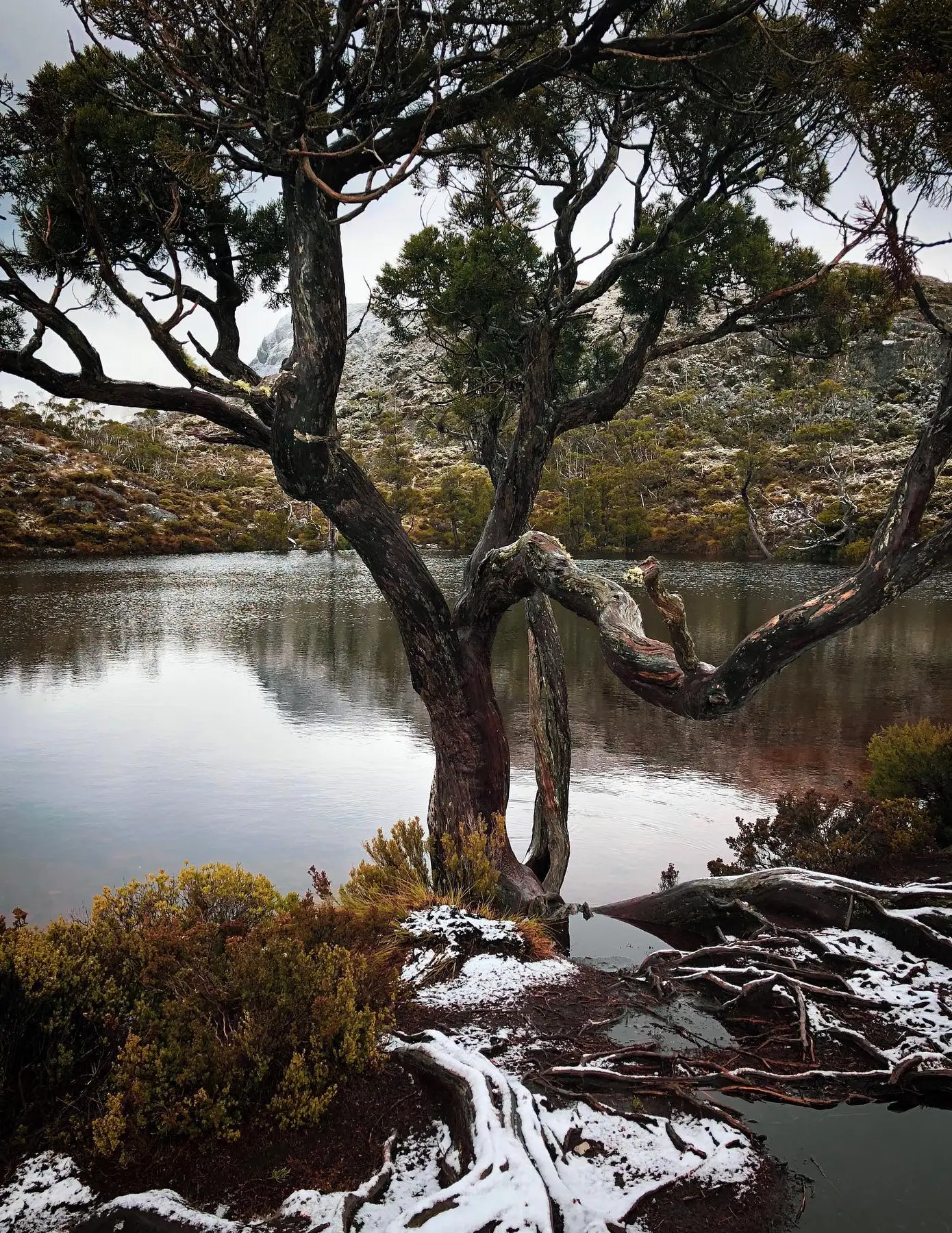
It’s the movement that gets you – those huge ears flapping, the nose twitching, the whole body low to the ground and on high alert. They’re not around for long, which is why the encounter is all the better.
I remember spotting one just after sunset, near a reserve – no warning, no noise – just a quick flash and then they were gone again. That’s the bilby experience for you.
Wombat – Winning Hearts Without Trying
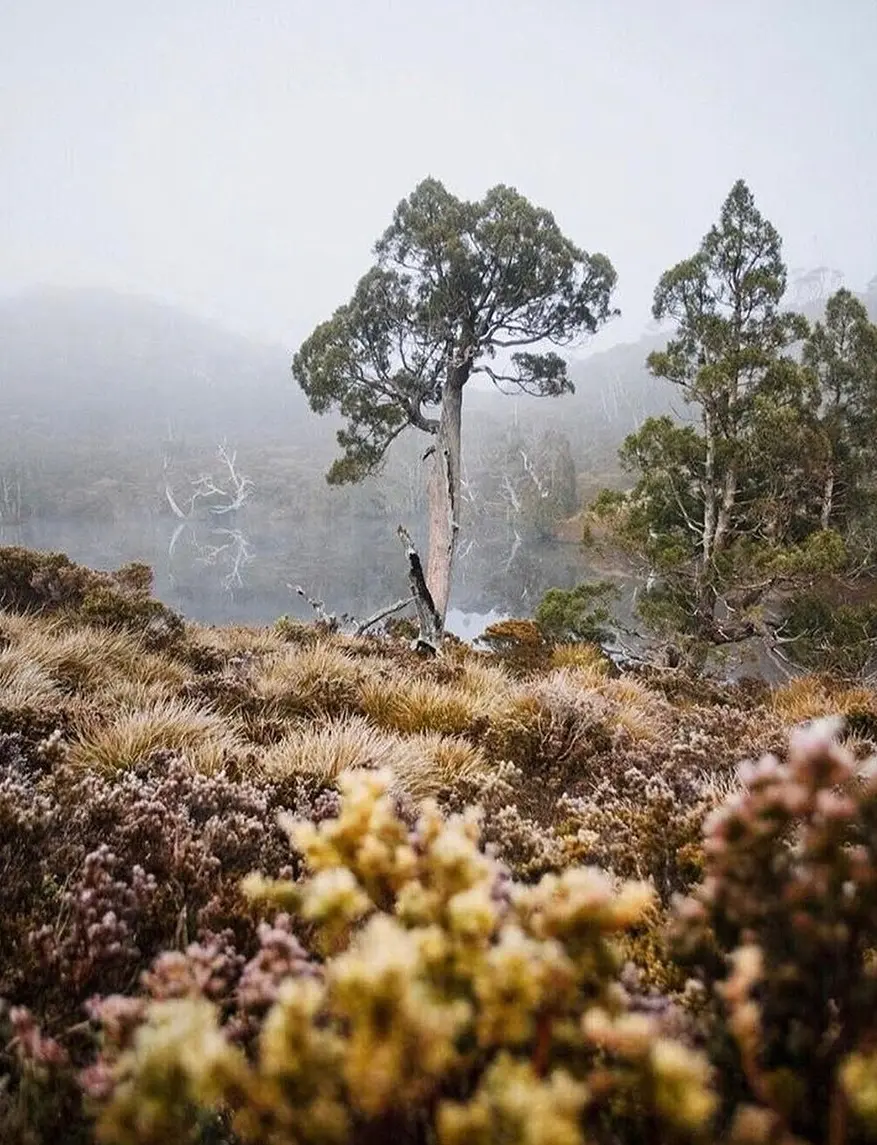
Wombats don’t ever try to make an entrance – they just kind of… exist. Built like a tank, they move at their own pace, and for some reason, you can’t help but fall in love with them the instant you lay eyes on them.
Where They Catch Your Attention
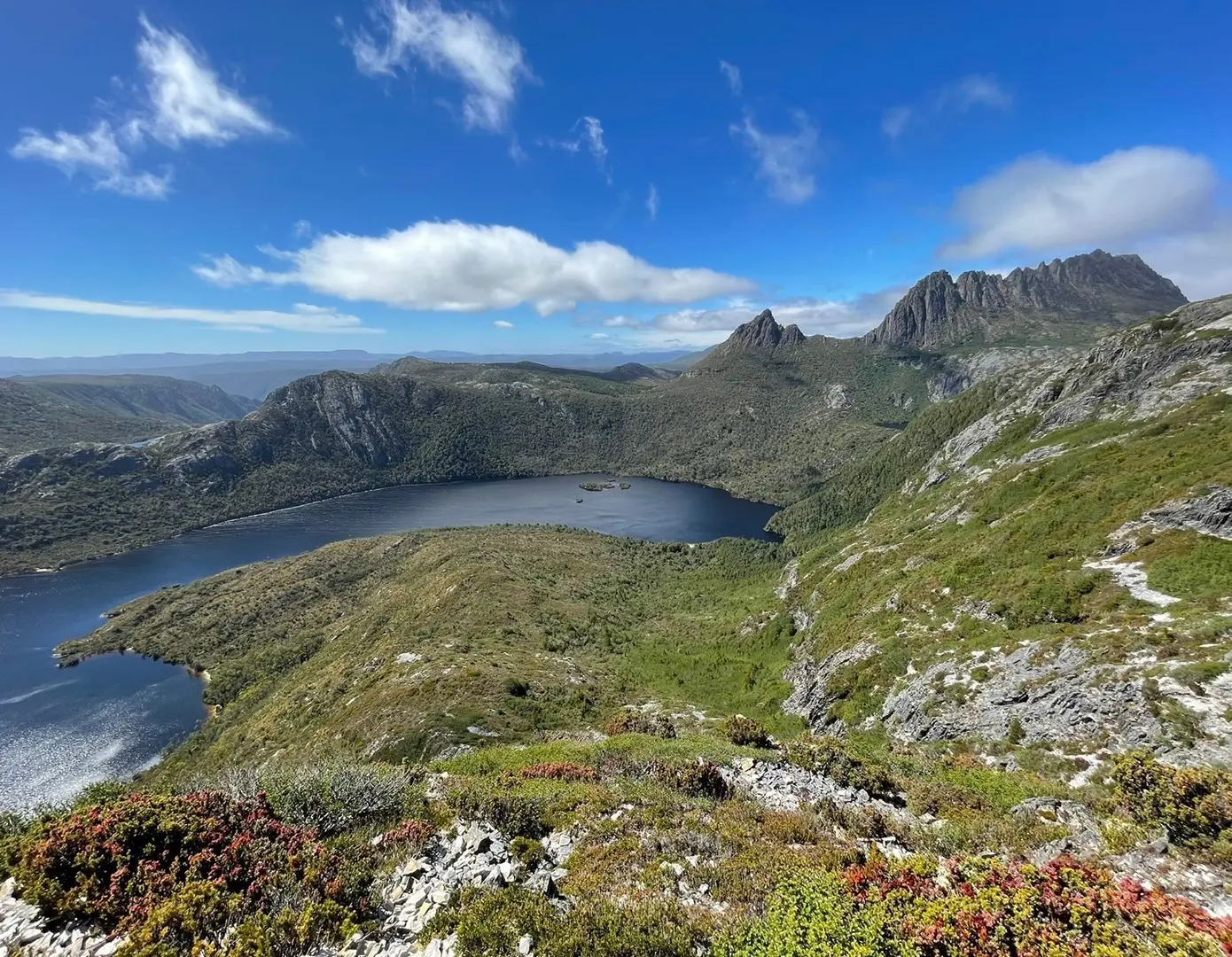
The southern regions of Australia are the perfect place to spot them – Tasmania, Victoria, and any areas around the Great Ocean Road. I’ve seen people on a day trip along the Great Ocean Road get so distracted by a wombat casually ambling through a thicket of scrub at dusk that they forget the coastal views.
What It Is About Them That Sticks
It’s their laid-back attitude – they just don’t care. They don’t rush around; they don’t get excited; they just get on with things like they own the place, which, in a way, they probably do.
You’ll find them burrowed into areas thick with eucalyptus leaves, little pockets of activity that are only noticeable when you stumble upon them.
Quenda – Not The Showstopper, But Hard To Ignore
You might not have heard of a Quenda but it’s definitely an animal worth knowing – it’s one of those creatures that just seems to have an endless amount of energy if you’re out and about in the bush around Western Australia.
Where They Make Themselves At Home
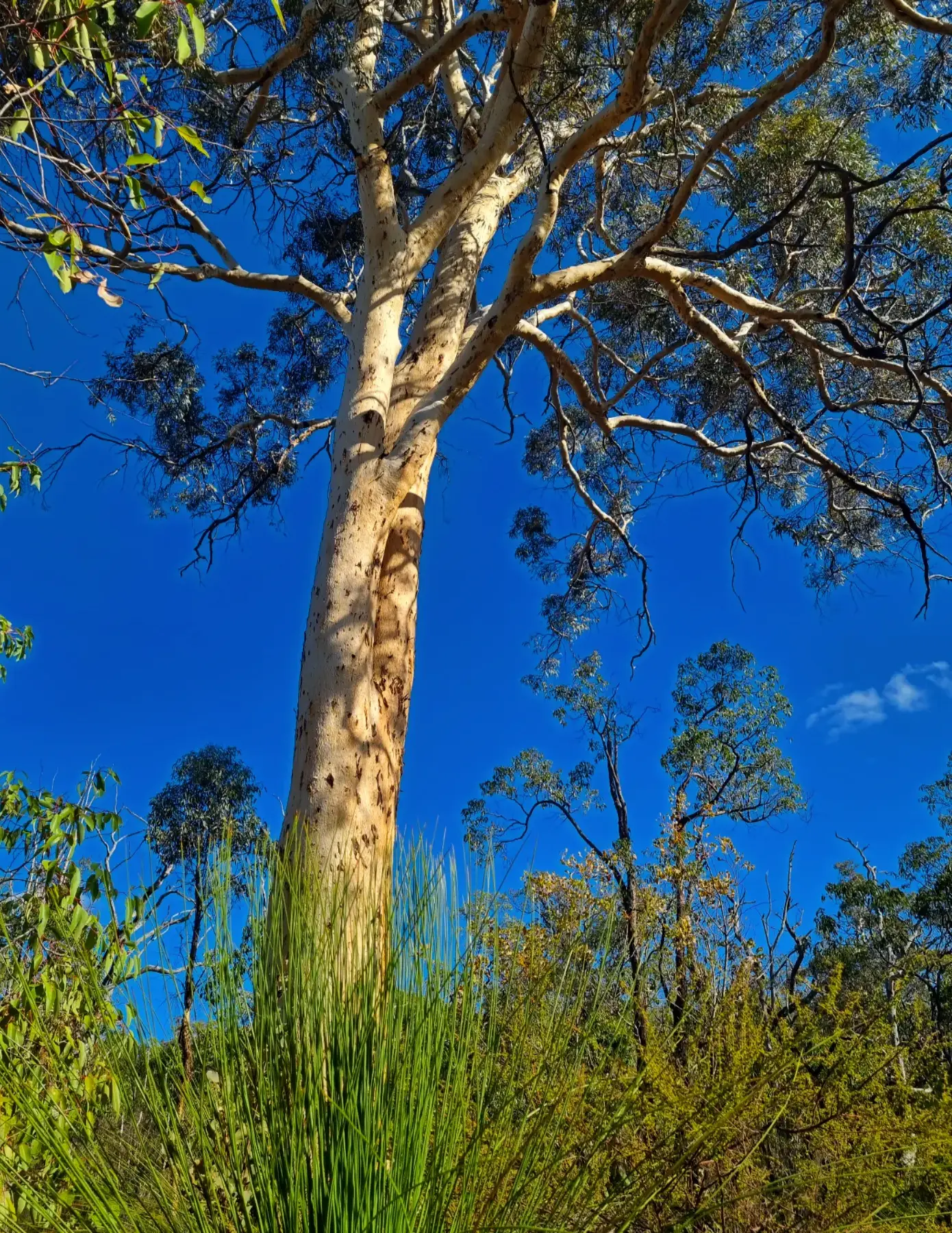
You’ll find areas with coastal scrub, nature reserves and even areas along the edge of cities that have got some bushland in them – they’ve adapted pretty well, but they’ve still got a few problems with feral predators and changing environments.
What Makes Them So Entertaining To Watch
They are on the go 24/7 – digging, sniffing, dashing about all the time. Usually, you’ll hear them before you see them, rustling through leaf litter like someone shuffling through dry paper.
Sit still at dusk for a bit, and there’s a good chance one will wand past you without giving you a second glance.
Bettong – The Unlikely Star Stealer
Everyone expects to see Kangaroos, especially the big red ones. But Bettongs? Forget it – they’re the real surprise package.
Where To Look
You’ve got the best chance of spotting one in places like Kangaroo Island or places where conservation efforts have protected them from predators.
What Makes Them A Joy To Watch
They move differently, which is great. Rather than long, powerful hops, they’ve got quick little bursts of speed, sudden turns and all sorts of unpredictable movement, which gives them a playful energy you just don’t get with bigger animals.
They’re also out and about at night, usually popping up at campsites when everyone calms down a bit.
Echidna – One Of A Kind & Completely Unfussed
The echidna is one of those utterly Aussie creatures – a pretty hard-to-find group of egg-laying mammals that have been around for millions of years. And the fossils tell the tale – they’ve barely changed a jot over time.
Where You Might Stumble Upon Them
They’re pretty much everywhere – from rural farms to the outback, and even in some of the more remote places like Kakadu National Park & the rugged Brachina Gorge – if you’re really lucky.
Why We All Sort Of Admire Them
The echidna’s got no sense of urgency; it just plods along, sniffing out food at its own pace. Give it space to breathe, and it’ll just keep on doing its thing, completely untroubled by your presence.
Watching one is a strangely soothing experience – it’s as if the whole bush has slowed down for a minute or so.
A Quick Reality Check On What You’ll See
| Animal | Typical Region | Behaviour Style | Likelihood |
|---|---|---|---|
| Bilby | WA / NT | Fast, cautious | Low |
| Wombat | VIC / TAS | Slow, steady | High |
| Quenda | Western Australia | Active, curious | Medium |
| Bettong | SA / reserves | Bouncy, energetic | Medium |
| Echidna | Nationwide | Slow, deliberate | High |
Timing Matters More Than Location
You can be in the absolute perfect spot but still miss everything if your timing is completely off.
Dawn and dusk are your prime times. That’s when the temperatures drop, and the animals start getting up and about. And night spotting can be especially good – think bilbies and bettongs.
Up in the north, in places like Kakadu National Park or along the Daintree River, the wet and dry seasons can completely change what you can get to and how much you can see. Down south, it’s a bit more stable – but then the cooler months are when you’re more likely to catch animals out and about during the daytime.
Why These Animals Need Our Help
Australia’s got one of the worst mammal extinction rates in the world – around 30 species gone since European settlement (the Australian Government put that number out in 2023). That’s not just a statistic – it’s a reminder of just how delicate these ecosystems are.
It’s habitat loss, climate change, and all those pesky introduced predators that are the main culprits. Without conservation efforts, many of these species wouldn’t even be around today.
Across the country, many conservation programs and initiatives are working to turn things around — from fenced-off nature reserves to breeding programs and release efforts. Places like Australia Zoo are pitching in, but so are the smaller, more focused Wildlife Tours that are all about education and not trampling over the environment with too many tourists.
The Experience That Stays With You
It’s the wildlife encounters that don’t happen on command that are the best ones. The ones that sneak up on you.
You’re cruising along a quiet track, and you pull up to take a break. You notice something moving in the bush. You wait. Suddenly it happens.
Those moments feel like they’re not staged at all. They feel like you’ve earned them.
The Bottom Line – Look Beyond The Obvious
Australia’s wildlife isn’t about ticking off a list of things to see. It’s about actually paying attention to what’s going on around you.
The animals that come as a complete surprise are almost always the ones you remember.
If you’re planning a trip – even just a day out on the Great Ocean Road – don’t just focus on the set pieces. Watch what’s going on in between. That’s where the real stories are.
And if you want to do it the right way, find operators that understand the rhythm of the bush. The good ones don’t rush the experience.
The Lasting Word
Out here, the best times aren’t the ones that you hear about all the time. They come quietly – and they stick with you for ages.
That’s what I’d call a trip that’s really lived with.
FAQ
When is the best time to go out and see wildlife in its natural habitat?
Early mornings and late afternoons are usually the time. The weather is cooler then, especially out in the bush or nice open spaces, and animals get up to a lot more.
Do you need to head deep into the outback to see wildlife?
Not always, but the more you get away from busy places, the better your chances are. National parks and wildlife reserves are usually where you can find some fairly reliable sightings.
Are guided Wildlife Tours worth booking then?
Yes, especially if you’re after some of the tougher animals to spot. A local guide with some knowledge really helps with knowing when and where to look.
How do things like climate change and habitat loss affect what we see?
Well, they’re changing where animals live and how they behave, which makes it harder to predict when you’ll see them. It’s a bit of a wild ride out there.
What’s the biggest blunder that people make on safari?
Going too fast. You can’t just make wildlife fit into your schedule – it doesn’t work that way. Take your time and let things happen at their own pace.