The Great Ocean Walk is one of Australia’s most amazing multi day hikes, 110km of Victoria’s coastline from Apollo Bay to the Twelve Apostles. With ocean views, rainforest and wildlife, it’s an experience not to be missed. But one of the most important part of preparation is having a reliable water supply. Many first-time hikers ask: Is there water on the Great Ocean Walk? The answer is yes, but it requires planning. While there is water available, not all is safe to drink without treatment. In this guide we’ll look at where you can find water along the trail and provide tips to stay hydrated.
Water on the Great Ocean Walk
Water is available at various points on the Great Ocean Walk, but availability depends on location, season and recent weather. Hikers can find water at designated campsites, natural water sources like rivers and streams and in nearby towns. But be prepared, not all sources are drinkable without treatment.
Water at Campsites
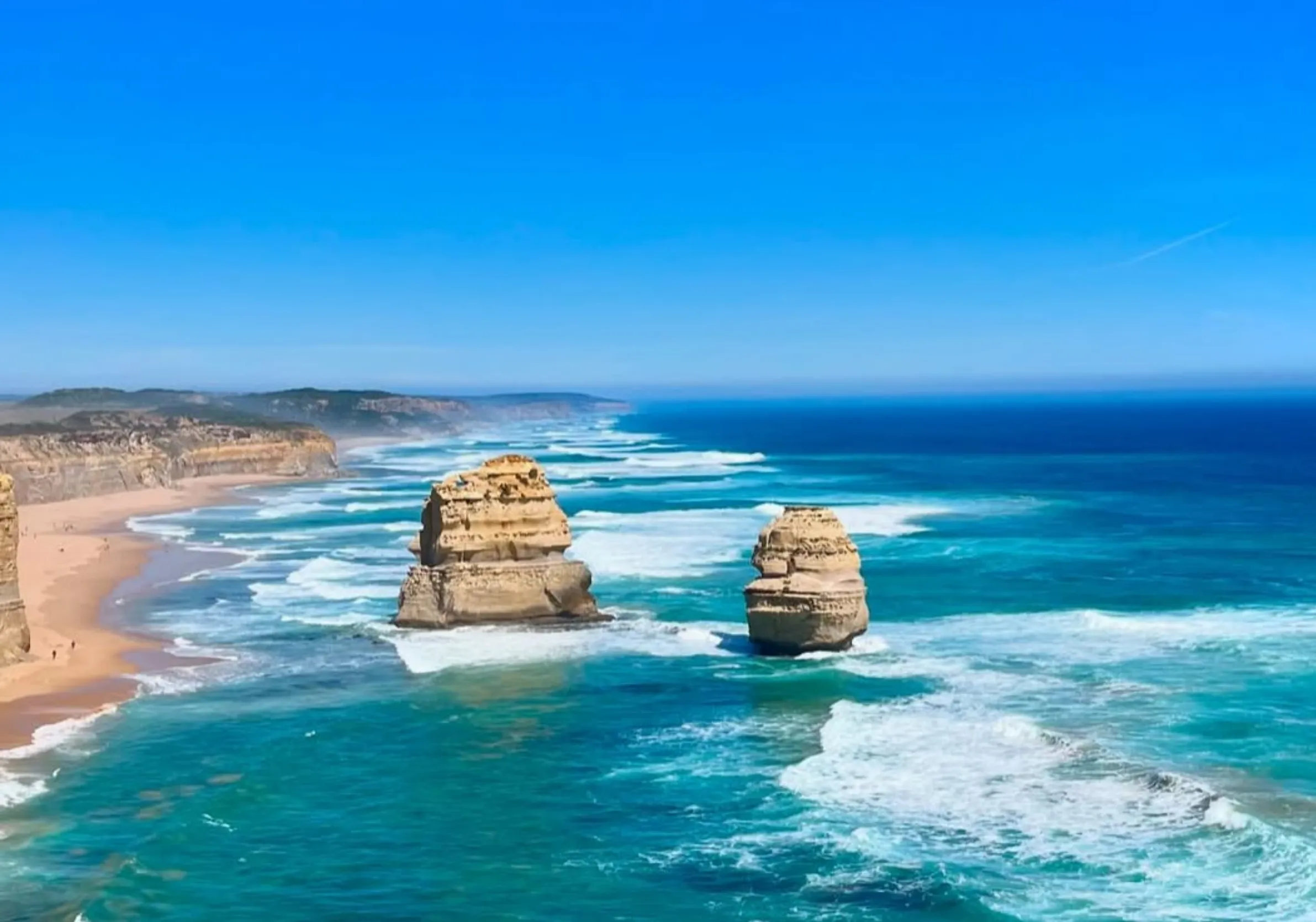
Parks Victoria has water tanks at all official hike in campsites along the trail. These include:
- Elliot Ridge Campground
- Blanket Bay Campground
- Cape Otway Campground
- Aire River Campground
- Johanna Beach Campground
- Ryan’s Den Campground
- Devils Kitchen Campground
- Twelve Apostles Campground (at the end of the trail)
These rainwater tanks are the most reliable water source for hikers, but here are a few things to consider:
- Water availability is dependent on recent rainfall, especially in dry seasons when levels may be low.
- The water is untreated rainwater and must be purified before drinking to avoid contamination.
- Bring a water filter, purification tablets or UV purifier.
Rivers and Streams
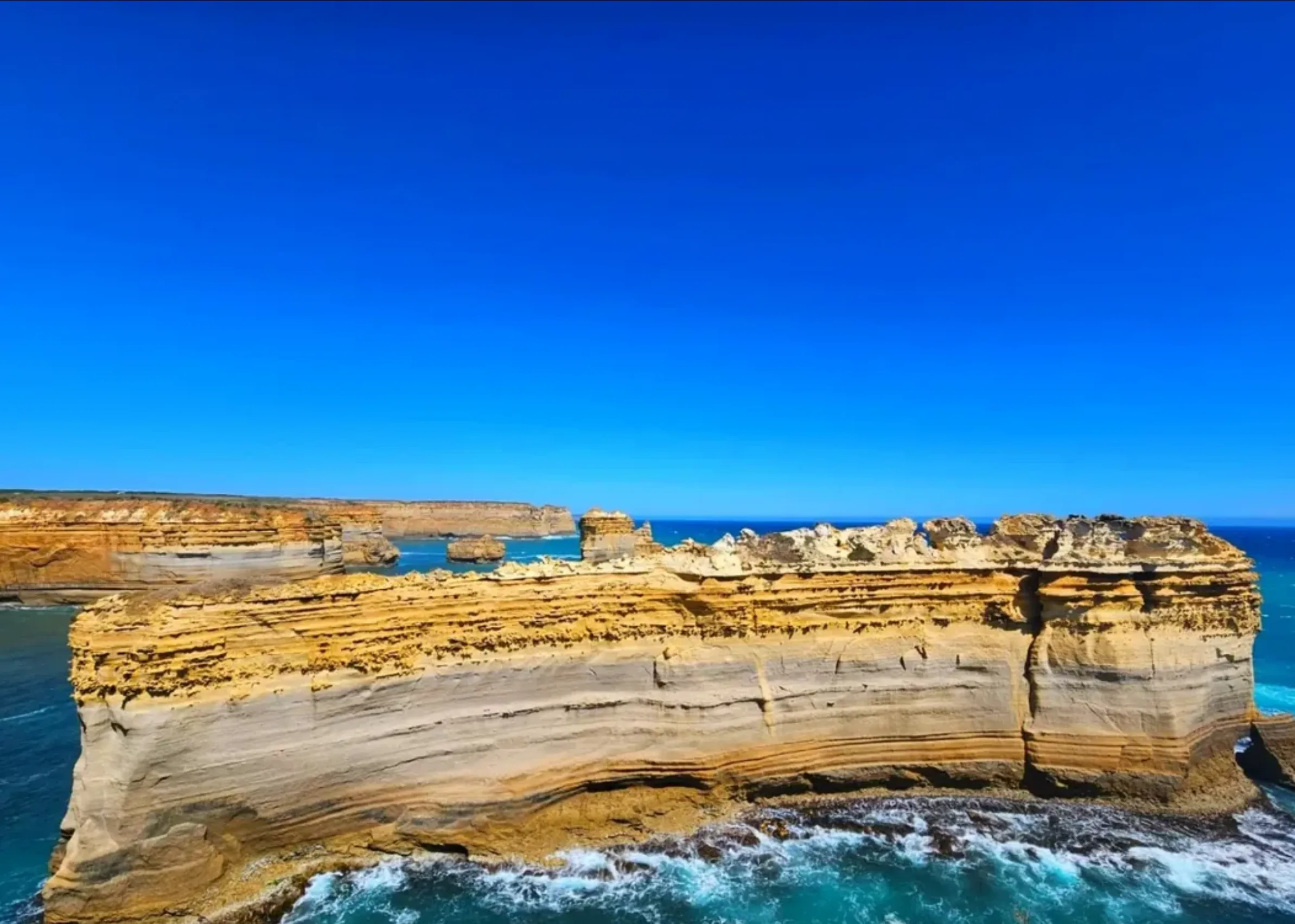
There are several rivers and streams along the Great Ocean Walk where you can collect water:
- Parker River
- Aire River
- Johanna River
- Milanesia Creek
- Elliot River
While these sound appealing, river and stream water can be contaminated with bacteria, sediment or agricultural runoff. Always treat or filter this water before drinking. Boiling, using a portable filter or adding purification tablets will get the job done.
Nearby Towns and Facilities
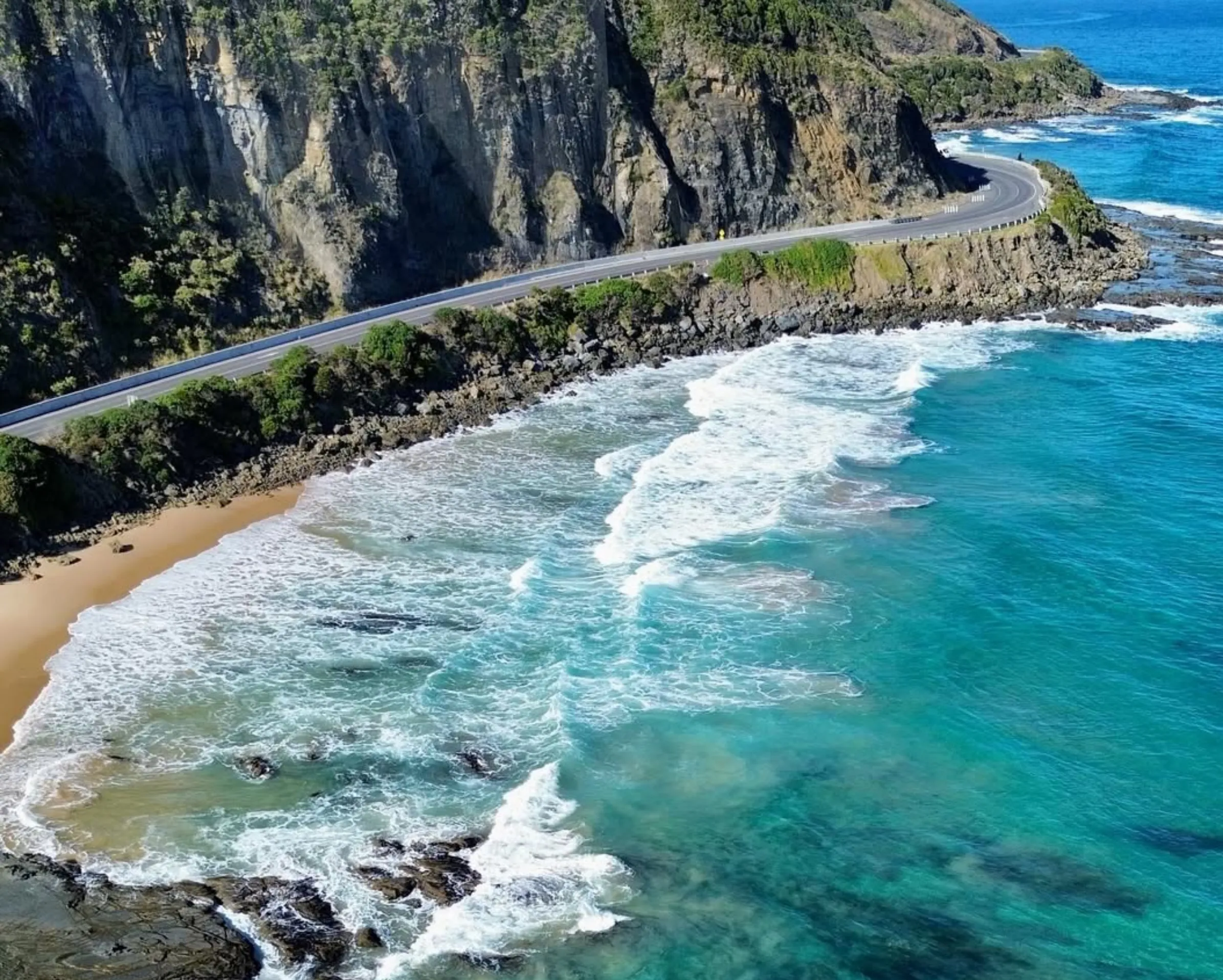
If you’re looking for more reliable water sources, several towns and visitor facilities along the route have potable water. Here are the key locations:
- Apollo Bay (start of the walk, facilities at the Apollo Bay Visitor Information Centre)
- Cape Otway (limited facilities at the Cape Otway lighthouse area)
- Princetown (near the end of the walk, with limited facilities)
- Port Campbell (near the Twelve Apostles, more facilities available)
If you’re finishing the walk you may also want to check out Loch Ard Gorge and The Grotto which have stunning coastal views and more adventure. If you’re doing a hike with resupply stops, it’s a good idea to top up your water in these places before continuing on the track.
If you want to explore the region further, consider a Reverse Great Ocean Road Day Trip.
How Much Water Should You Bring?
The amount depends on the season, temperature and individual hydration needs. But as a rule of thumb:
- Bring 2–3 liters of water per person per day.
- In hot weather or on long days you may need 4 liters or more.
- Factor in extra water for cooking and hygiene.
Since water sources are available but not always guaranteed, plan your refills strategically and always have a backup method of purification. Bring a hydration pack or multiple water bottles.
Final Tips for Staying Hydrated
- Plan Your Water Stops – Before you start the hike check the trail conditions and water tank availability on Parks Victoria.
- Treat All Water – Even water from the tanks should be treated to avoid getting sick.
- Use a Hydration Pack – A water bladder or hydration pack makes it easy to access water on the go.
- Drink Regularly – Don’t wait until you’re thirsty, drink water frequently.
- Know Your Water Supply – Always know how much water you have left and where your next refill will be.
- Check the Weather – Hot weather increases water needs, and rain may refill water sources.
- Be Aware of Bushfire Risk – Dry conditions can lead to bushfires which can affect water supplies and access.
- Know Your Fitness Level – Carrying water adds weight, be mindful of your fitness level.
The Great Ocean Road Reverse Tour allows you to visit the best bits of the GOR in a different order so you can enjoy the coastal views without the peak hour traffic.
Conclusion
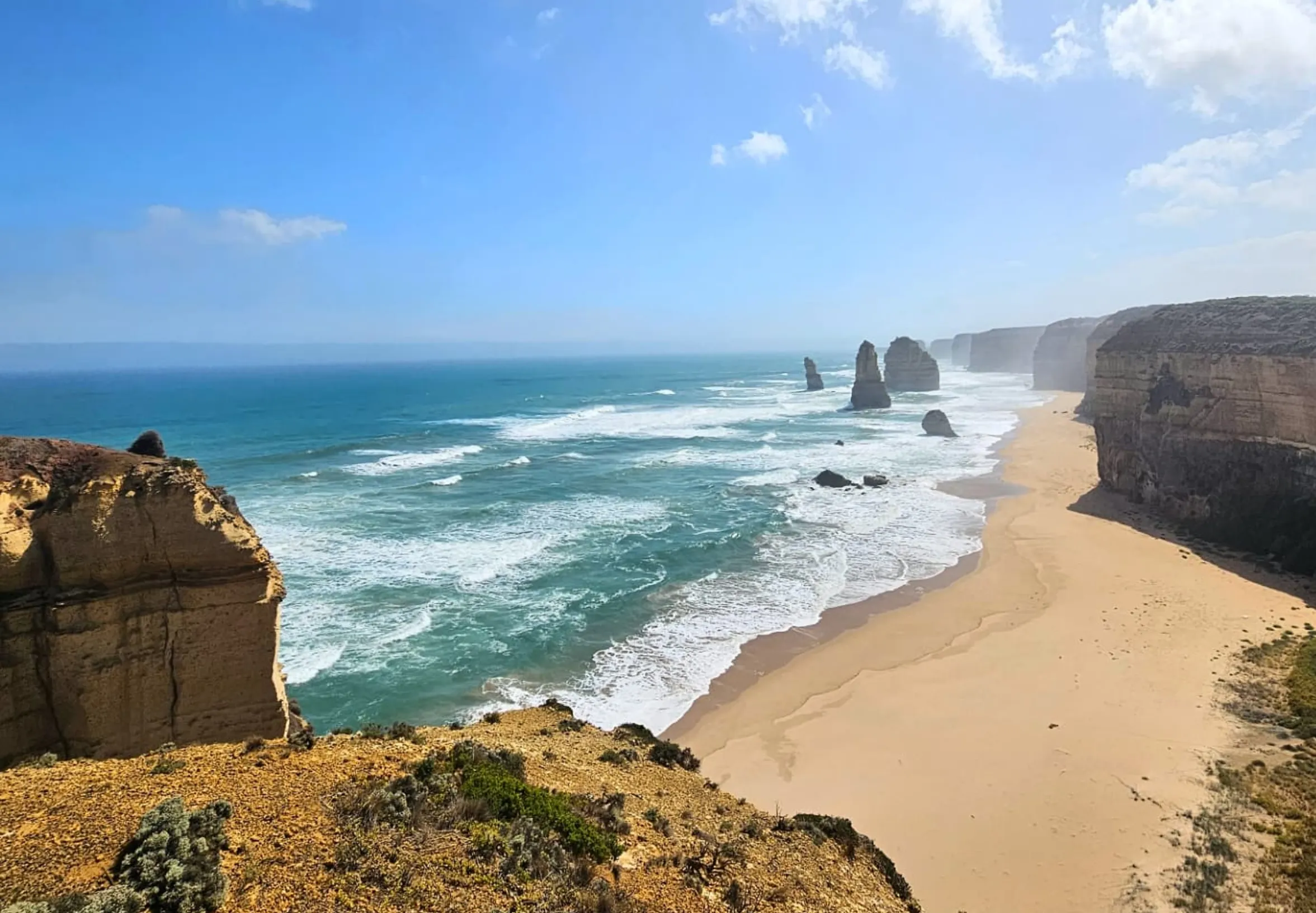
Yes, there is water along the Great Ocean Walk but you need to plan ahead. The most reliable sources are the water tanks at official campsites, rivers, streams and towns. But all water must be treated before drinking. By carrying enough water, using a filter or purification method and planning ahead you can have a safe and enjoyable hike along this stunning coastal trail with breathtaking views.
is a great way to experience the region without the peak season crowds and have a more relaxed and intimate journey. And if you’re planning to stay longer, researching Great Ocean Road places to stay will help you find the best places to stay before or after your hike.
FAQ
Is all the water along the Great Ocean Walk drinkable?
No. Water from tanks, streams and rivers must be treated before drinking to remove contaminants.
Do the water tanks at campsites always have water?
Not always. Tank levels depend on recent rainfall and during dry periods water may be limited. Always check the current status before you hike.
What is the best way to purify water on the trail?
A portable water filter, UV purifier or purification tablets are effective methods. Boiling water is also an option when possible.
Can I buy bottled water along the Great Ocean Walk?
Only in towns like Apollo Bay, Cape Otway (limited) and Port Campbell. Once on the trail bottled water is not available.
How do I know if a stream or river is safe to collect water from?
Avoid stagnant water and collect from flowing sources. Always filter and purify before drinking to remove bacteria, parasites and other contaminants.